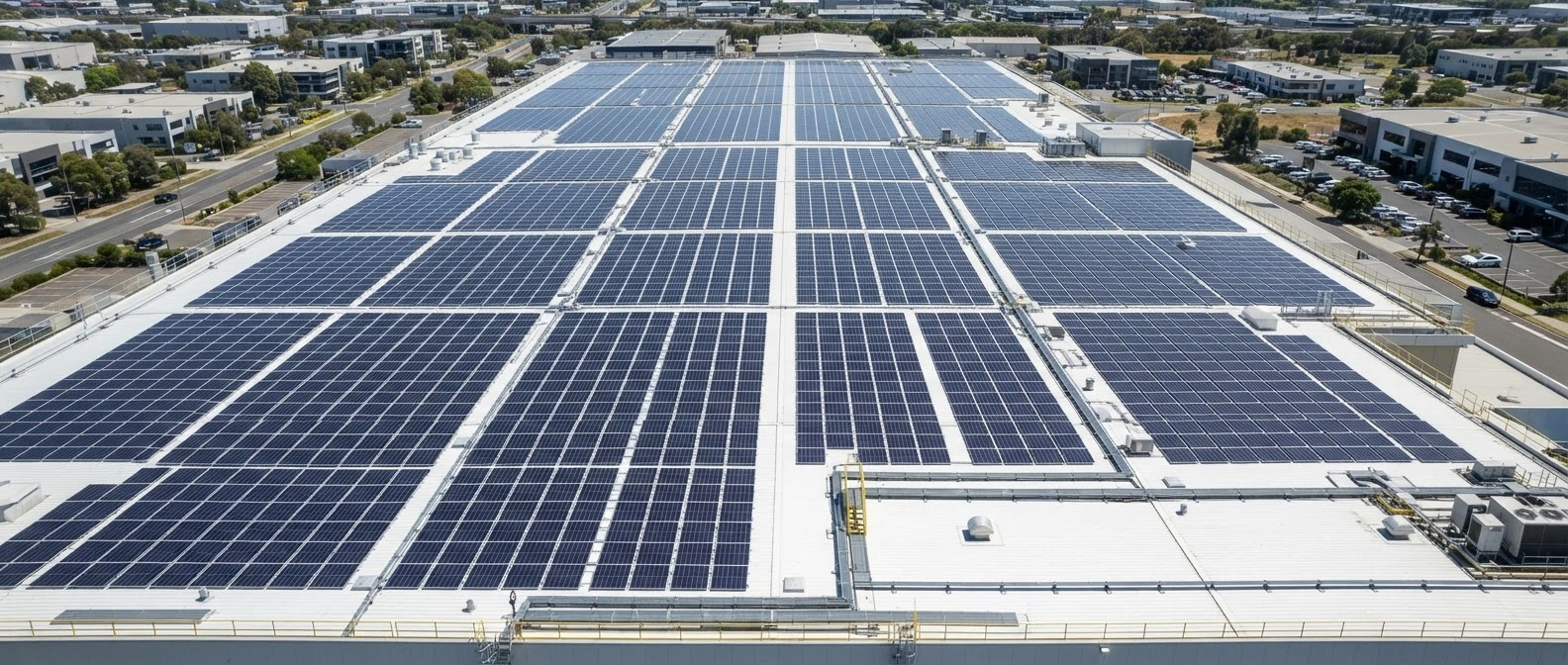
Time-of-day penalties
Peak-window energy costs more, and solar disappears just as the evening peak begins.
Home/Solutions
SolutionsThere is no flat catalogue recommendation. Every operating profile needs its own architecture, and we trace your bills, load and site constraints into a verified design before recommending equipment.
Plain-language starting points. Each one explains what usually causes the problem, how a coordinated system behaves and what we need from you. Not sure? Four questions
Peak-hour (TOD) charges, demand penalties and evening load bought at the highest rate.
Cut cost & TOD charges → Power cuts stop workProduction, patients, guests or customers affected every time the grid trips.
Keep running through power cuts → Diesel generator costs too muchFuel, maintenance and noise from a generator that runs more than it should.
Reduce diesel generator use → Motors trip the supplyCrushers, pumps and compressors whose starting surge trips breakers or overloads the DG.
Start heavy motors smoothly → Solar stops in a power cutYou already have on-grid solar and want it to keep working, with a battery.
Add a battery to existing solar → The grid is weak or absentRural feeders, long outages or DG-led sites that need their own controlled supply.
Depend less on the grid →Choose what you want to improve, then build one view of your site. Existing equipment, proposed components and operating scenarios follow your answers.
A starting interest is not a confirmed site fact. No contact details are required for a preliminary assessment, and optional questions can be skipped.
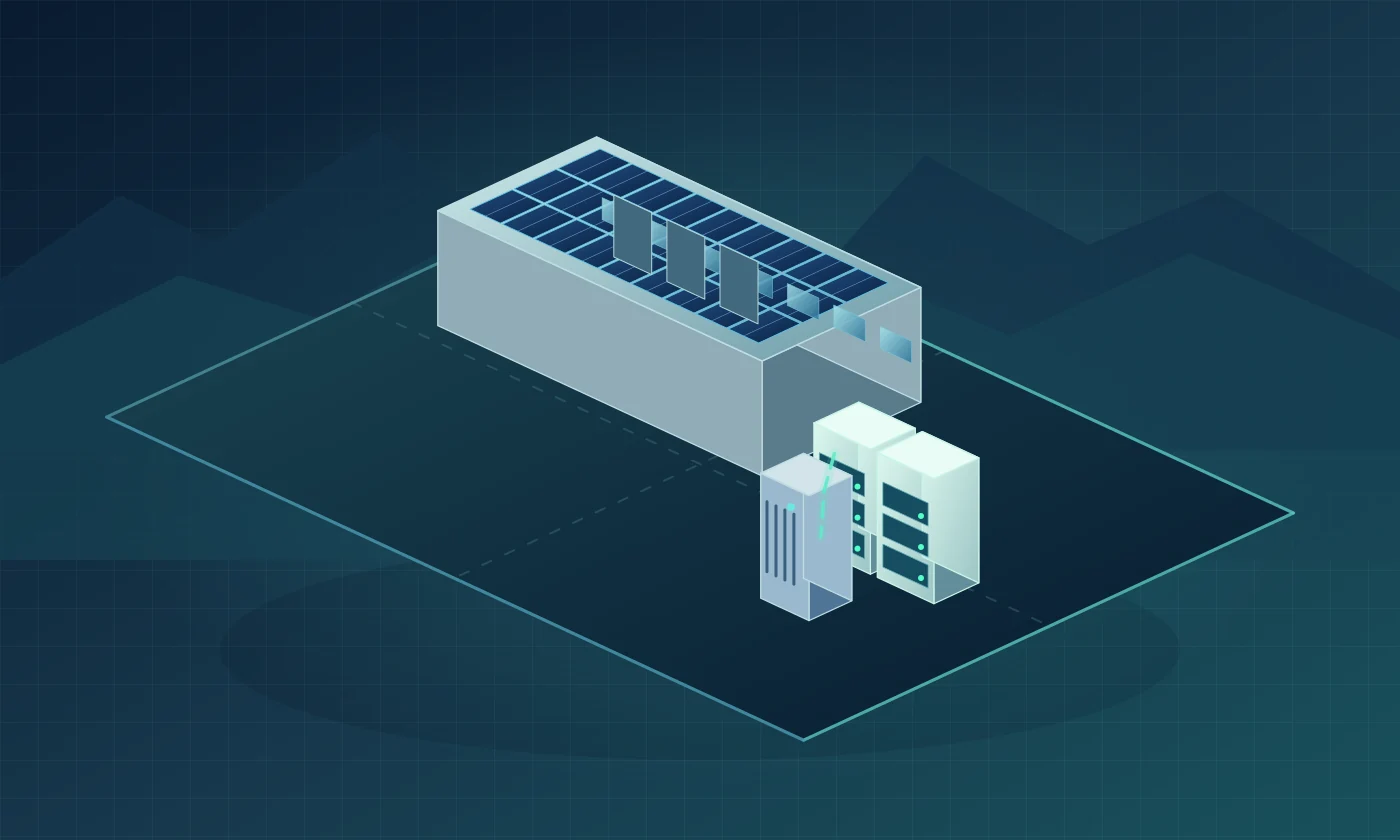
 Solar01 · New solar EPCRoof and ground plants, engineered storage-ready.
Solar + storage02 · Solar + BESSSolar for the day, storage for the evening.
Solar01 · New solar EPCRoof and ground plants, engineered storage-ready.
Solar + storage02 · Solar + BESSSolar for the day, storage for the evening.
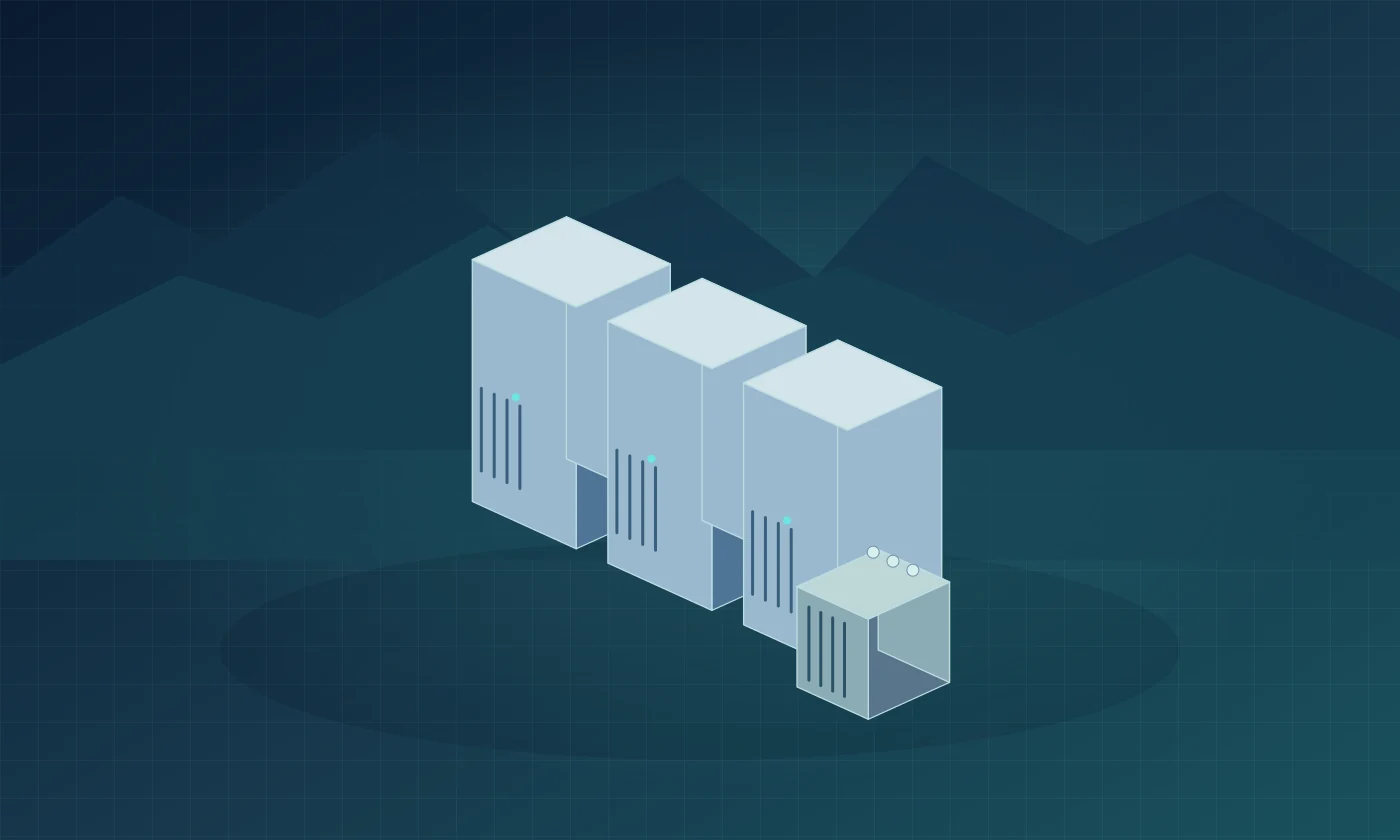 Conversion03 · PCS & grid-forming PCSThe converter that keeps the site running.
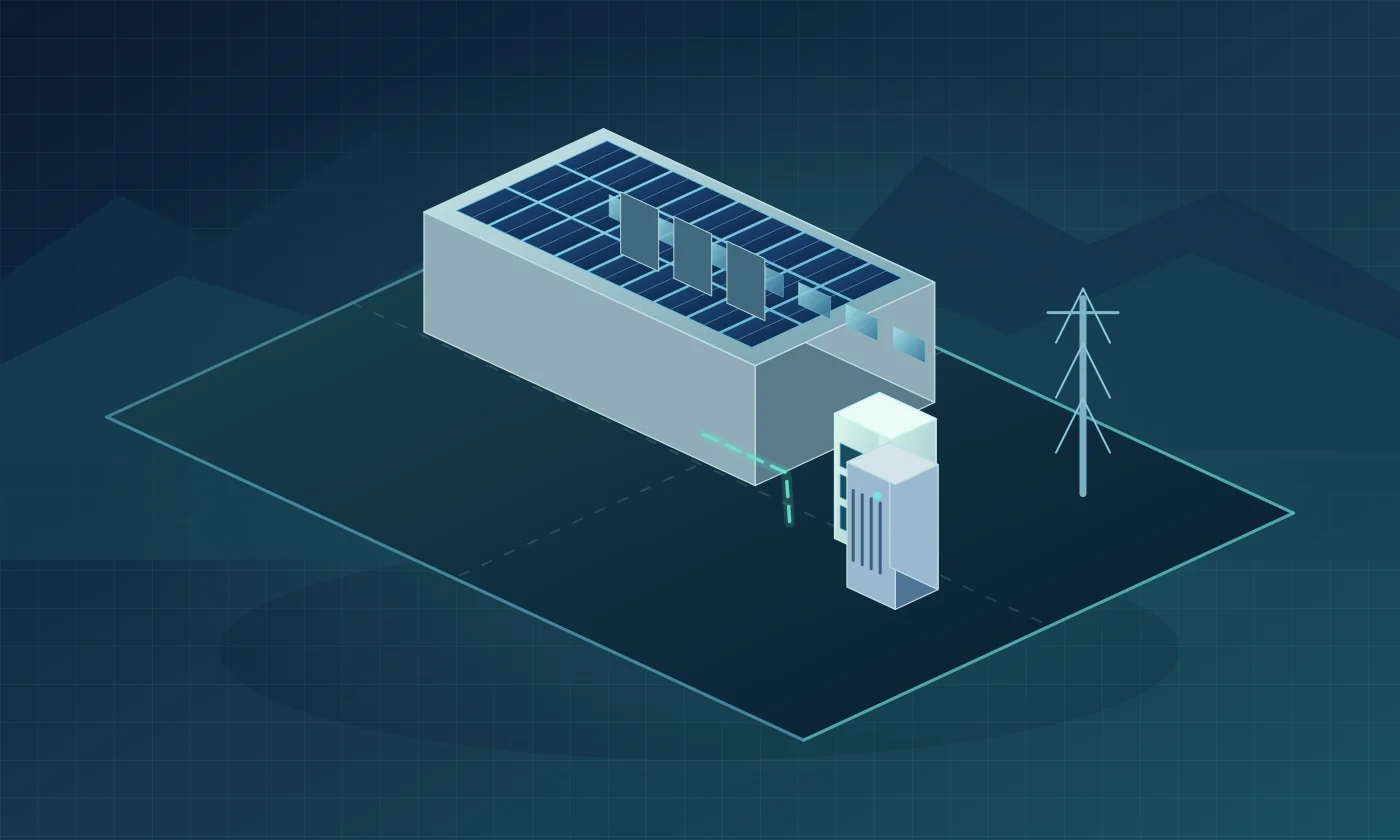 Control04 · EMS & TOD optimisationRead, decide, command: every few seconds.
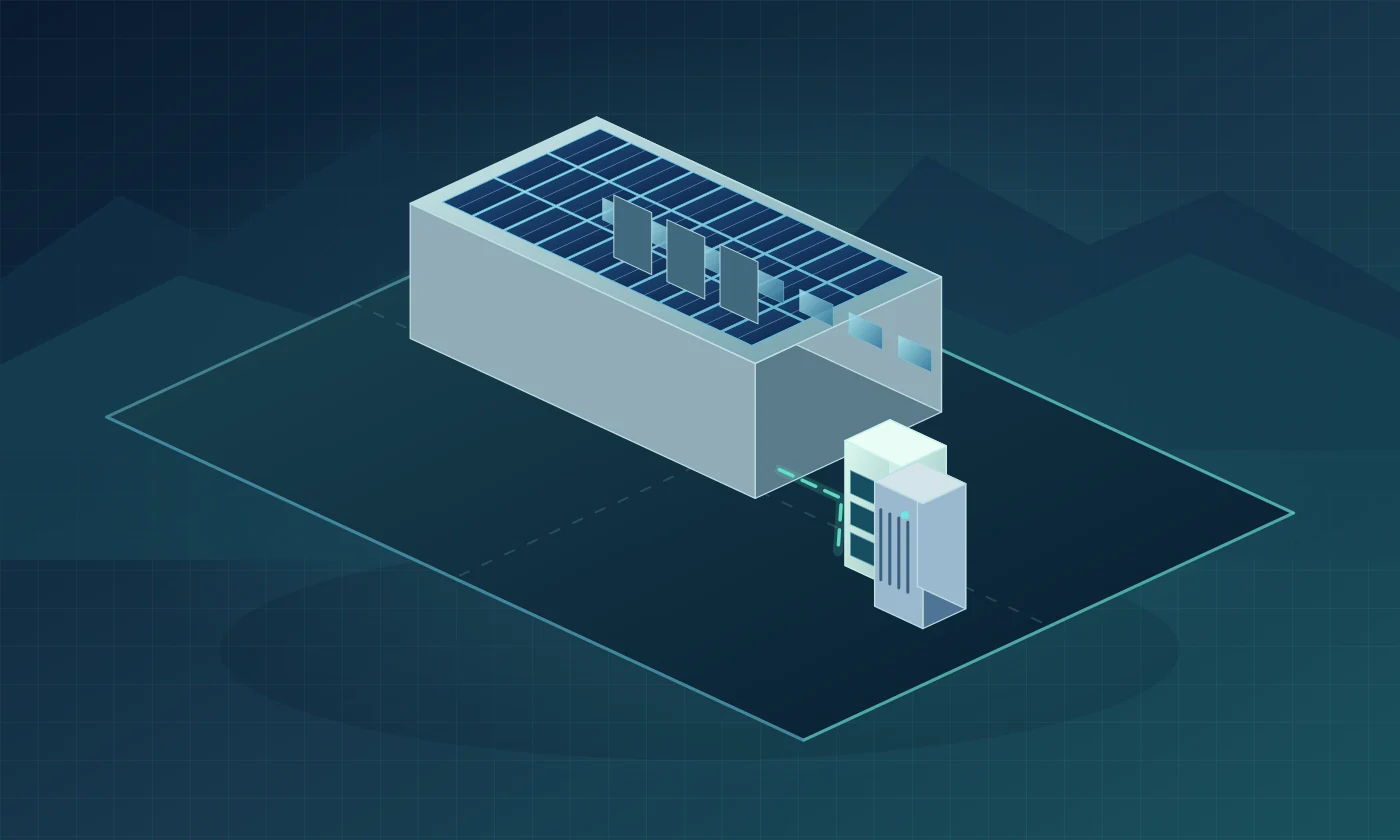 Retrofit05 · Existing on-grid solar upgradeAC-coupled storage beside installed PV.
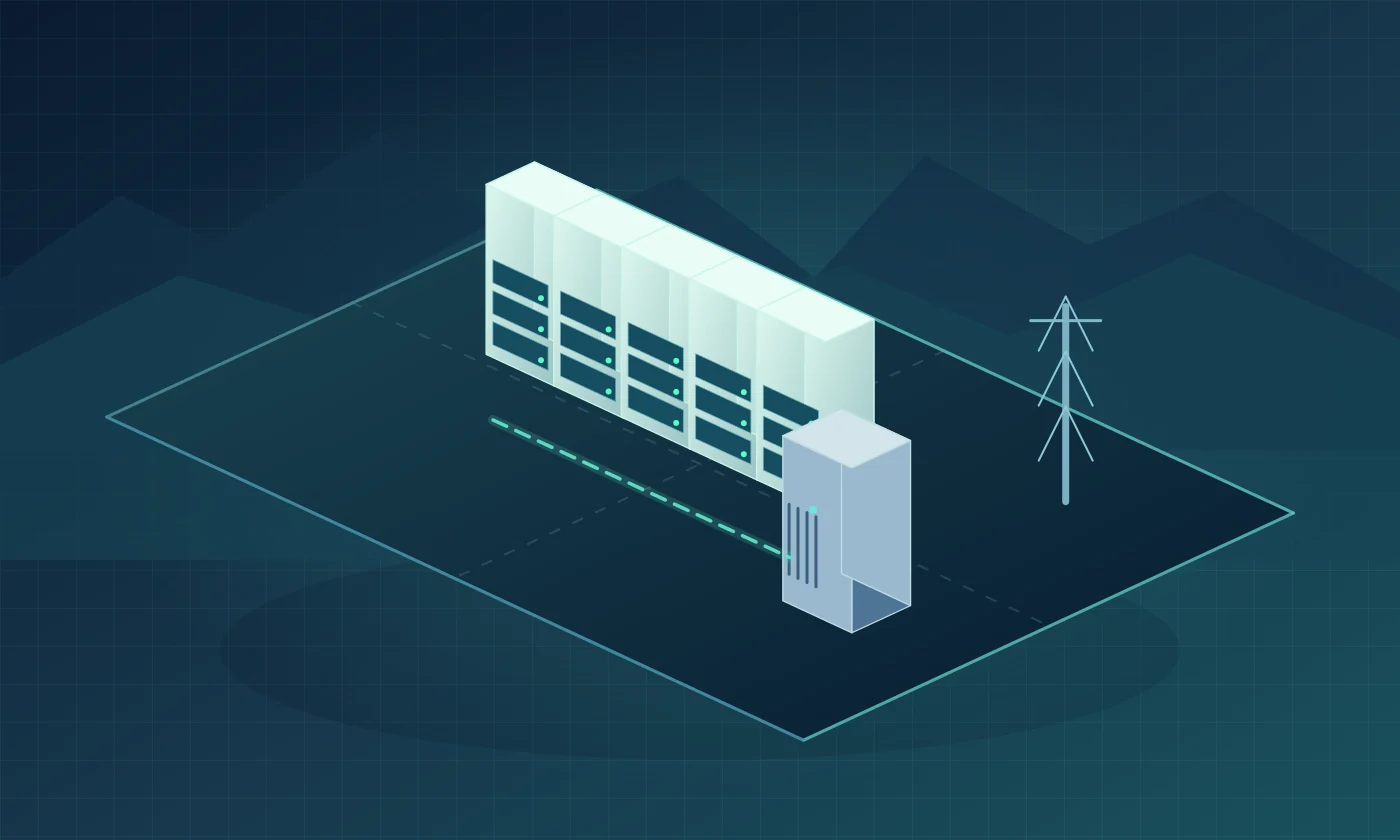 Storage06 · Standalone BESS + PCSStorage sized by power and energy.
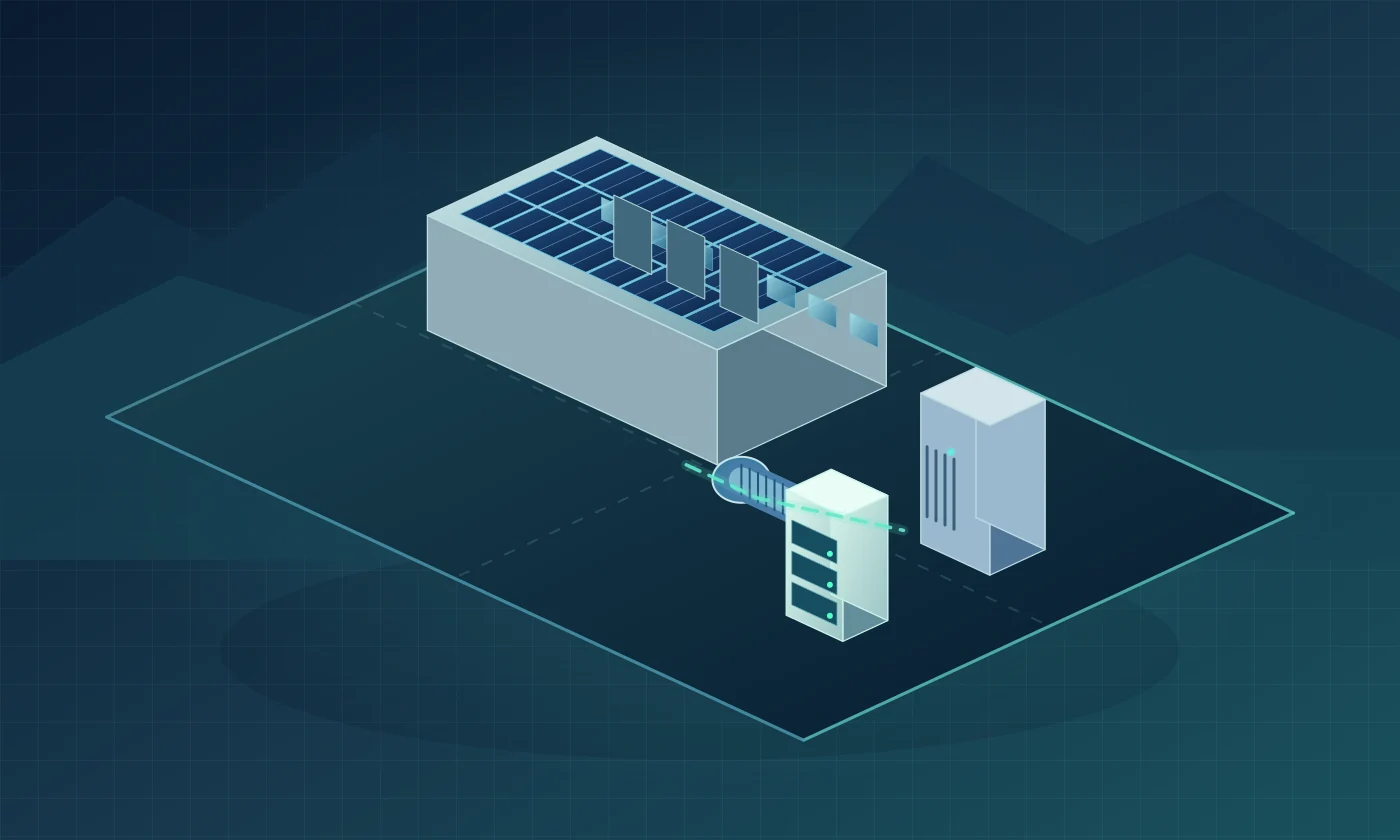 Motors07 · VFD & motor startingControlled starts instead of surges.
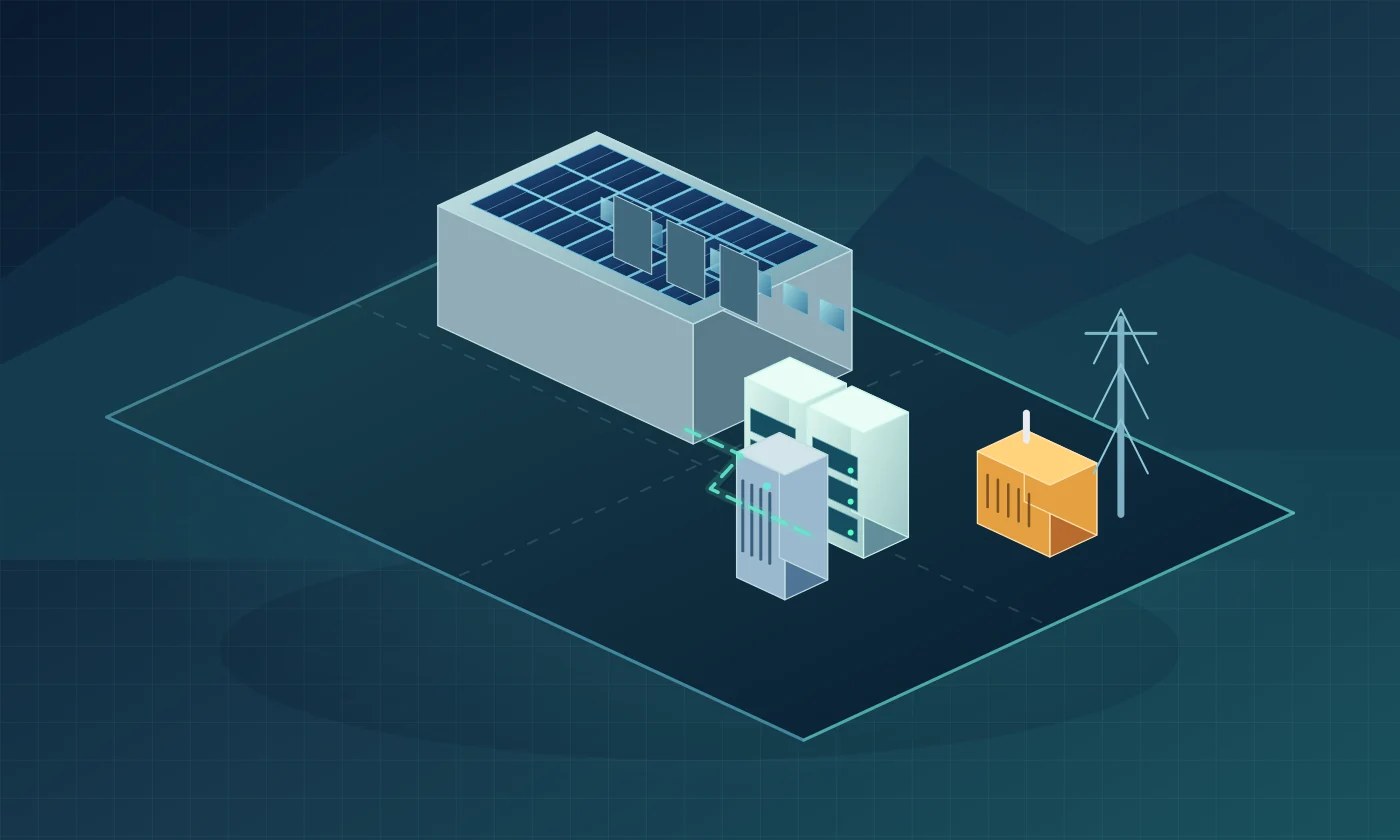 Microgrid08 · Industrial microgridsSolar, storage and DG as one controlled island.
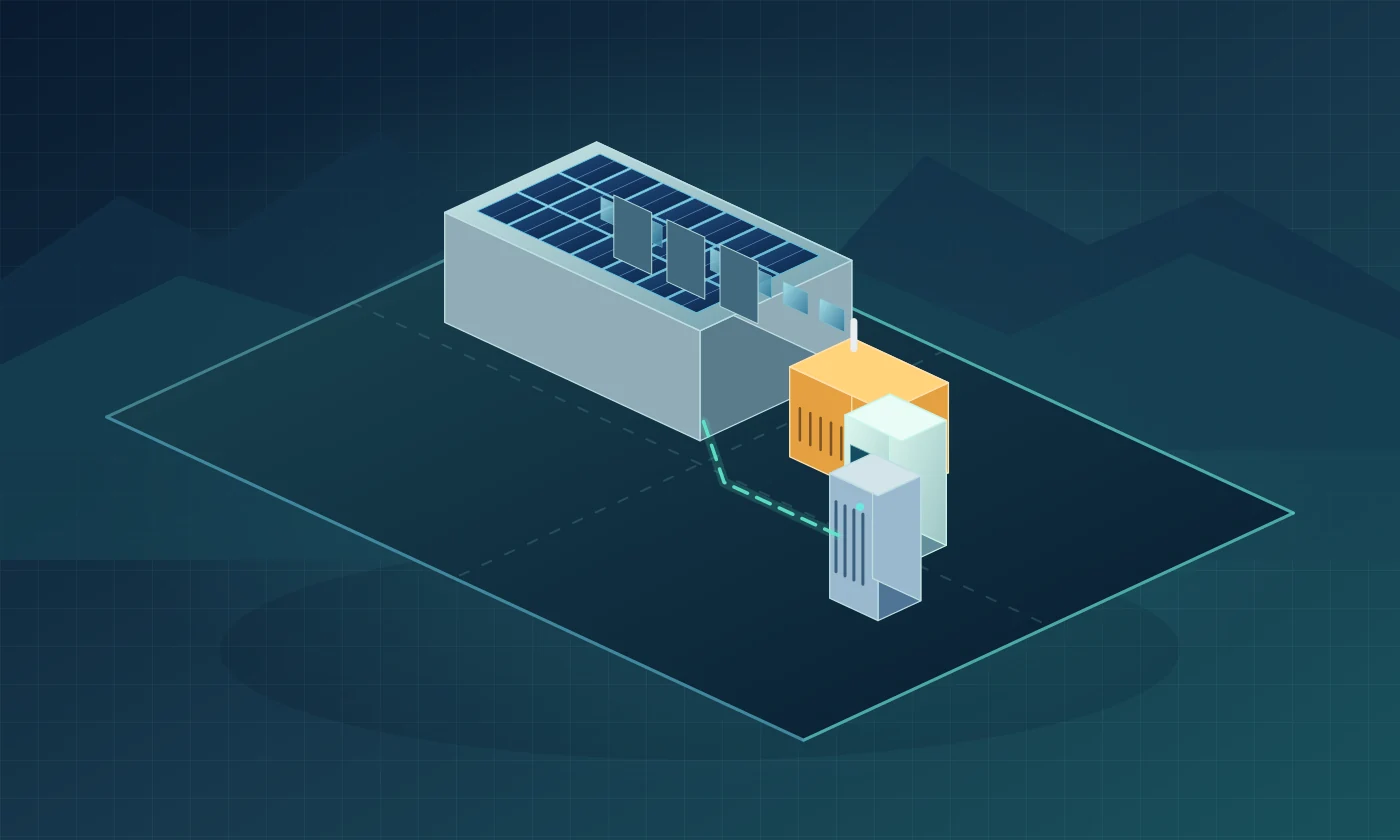 Diesel09 · DG usage reductionThe generator becomes the last resort.
 Resilience10 · Power backup & continuityCritical loads through every interruption.
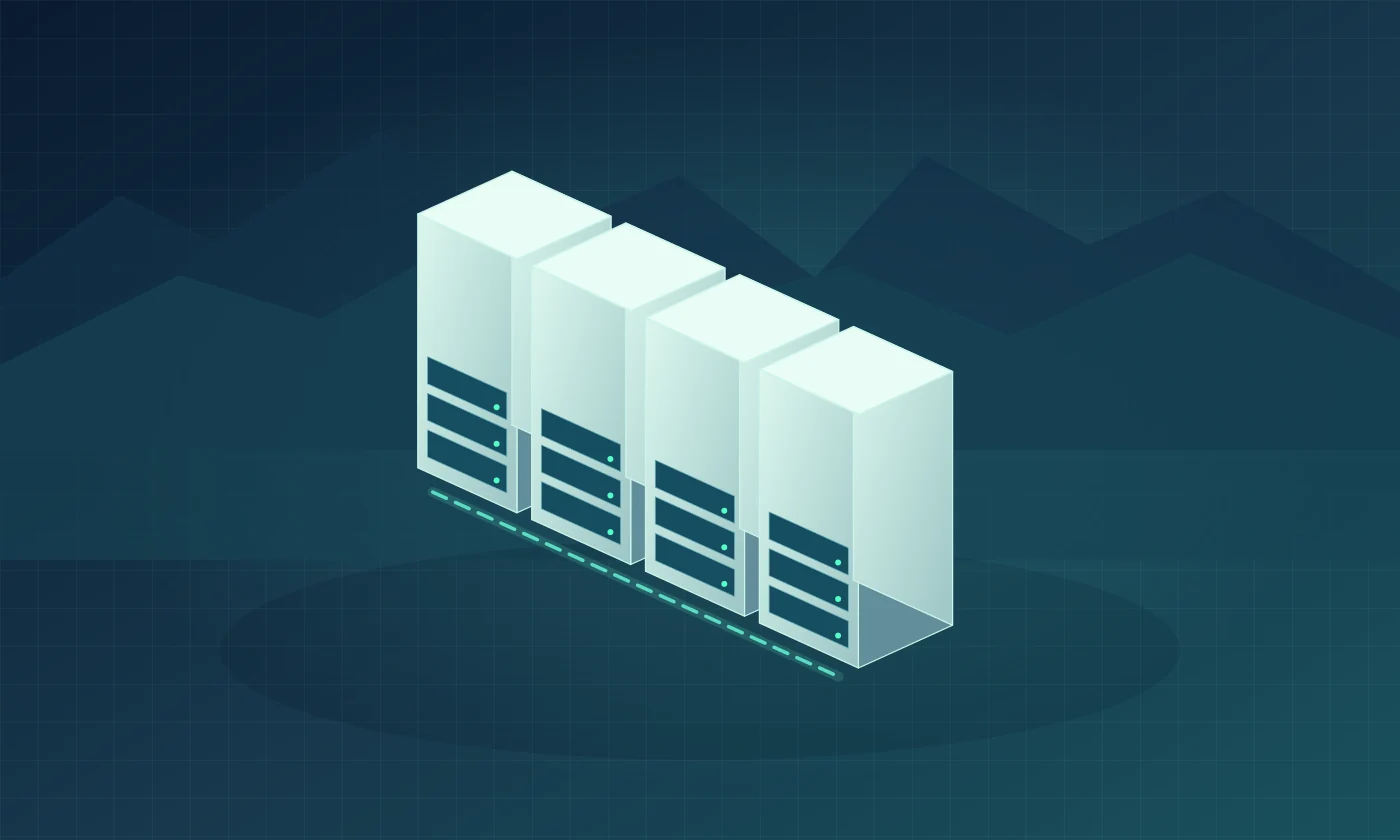 Roadmap11 · Energy continuityProtected reserve · roadmap / pilot.
Solar, BESS, PCS, EMS, generator and grid on one industrial site. Each solution page focuses on the part of this system that solves its problem.

Solar + BESS is not a default. These are the site conditions that usually justify it, and they are checked against your data during assessment.
Manufacturing shifts, hotels and hospitals that keep running after sunset.
Where peak-window energy is significantly more expensive than the rest of the day.
Sites where continuity and transition behaviour need engineered backup.
When export rules mean surplus PV output is wasted or poorly credited.
Where brief sags or trips cause batch losses or equipment stress.
Storage is not universally required. Where it does not pay back, we say so.
Commercial and industrial sites use energy at the wrong times, at the wrong price, with no say over supply quality. Solar fixes part of the day. The rest needs storage and control.
Peak-window energy costs more, and solar disappears just as the evening peak begins.
Every trip stops production or service. Grid-tied solar switches off too.
Generators cover gaps at a high cost per unit, with fuel logistics and slow starts.
Motor starts and simultaneous loads set demand peaks you pay for all month.
An illustrative reference, separate from your visitor assessment. Move across any graph, or use the arrow keys, to read device behaviour. These graphs follow the reference plant above.
Each row is one piece of equipment; colour shows what it is doing. The EMS row shows the decision behind each change.
Supply always equals demand: solar first, then the battery in the windows the EMS chooses, then the grid. Charging appears below the axis. Shape from the illustrative model; real balance comes from metered data and the engineering model.
Balanced: Stores midday solar, covers peak windows and trims demand above the site limit. Our usual starting point. The battery stays inside its operating window; charge and discharge never exceed the converter limit.
Storage can move available energy into a later window, subject to the site load and equipment limits. This illustrative comparison explains the principle; it does not calculate your savings.
Left: solar only, no storage. Right: solar with battery and EMS. Same load, same sun; only the control changes. Shapes only, no savings implied.
Grid energy drawn in each tariff window and the highest demand of the day, before and after storage. Bars are relative to the no-storage case; actual tariffs and savings depend on the utility category and are calculated only from your bills.
Answer a few visual questions and see your site today and with Samvora: at midday, in the evening peak and in a power cut. No sign-up; nothing is sent until you choose.
Share a few details and your recent bills. A Samvora engineer reviews your load, tariff and reliability needs before anything is proposed.