Home/Industries/Housing Society / RWA
Housing societies · RWAs · apartmentsDesign the common energy system around the society’s real infrastructure.
Lifts, water pumps, common lighting, clubhouse and EV charging make up a society’s common load. Samvora designs common-area solar and optional storage around metering, roof rules and budgets.
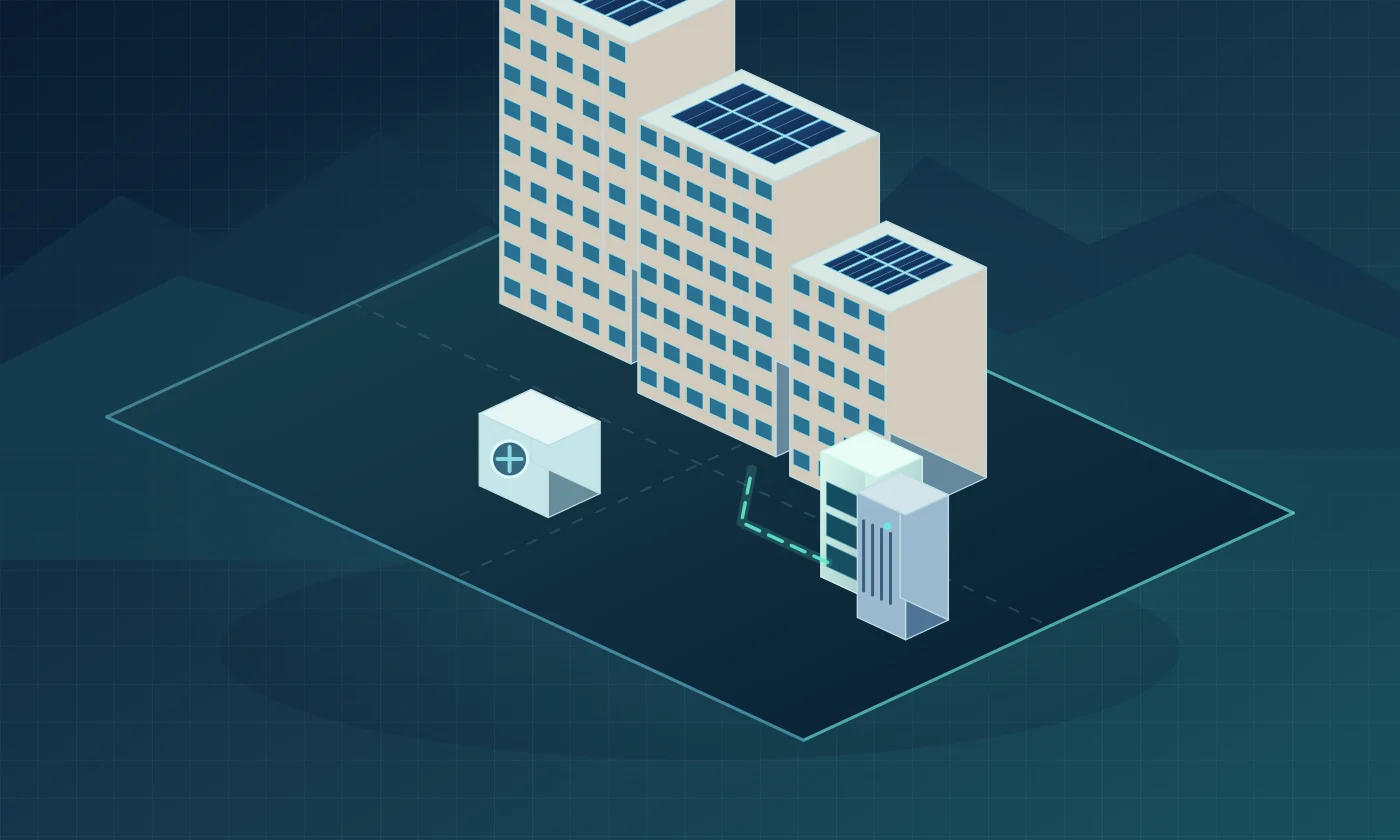
Lifts, water and common lighting: the services every resident shares.
During an interruption the common-area backup keeps lifts, pumps and lighting on. Private flats stay on their own meters.
Housing society → lifts, water pumping and common lighting
Where it hurts today
- Lifts stop with residents inside at every cut until the DG takes over.
- Water pumping runs in the morning peak; common lighting in the evening peak.
- The common-area bill is shared by every resident.
What changes
- Cut → lifts and lighting stay on the PCS.
- Pumping moves to solar hours; the battery carries evening lighting.
Impact, classed honestly
- Lift and lighting ride-through · Calculable
- Common-area bill · Estimate until measured
- Fire-pump and lift rules · Needs site verification
Interactive comparison loads with JavaScript. Qualitative behaviour only: no ratings, savings or backup times are shown.
One engineering state. Drag the comparison or step through the four stages. The plant view, the single-line diagram and the graphs below follow the same configuration rules as the Energy Explorer. Motion and wording show behaviour only; no ratings, sizes or savings are implied.
01How it operates
- Rooftop solar on the towers supplies common areas in daylight.
- Water is pumped to overhead tanks in solar hours; the tank is stored energy.
- Lifts, pumps and common lighting stay on a grid-forming backup during interruptions.
- Private flats remain on their own meters and are not on the common backup.
02When it makes sense
- Frequent interruptions and lifts that stop residents.
- DG running costs shared by all members.
- Terrace space on several towers.
- EV charging growth in the parking.
03Engineering constraints
- Common-area loads only: private flat loads are separately metered.
- Lift starts and water-pump starts need converter checks.
- Society approval, terrace waterproofing and access rules apply.
- Net-metering and group-housing rules vary by utility.
Morning pumping, evening lifts and lighting.
Common-area load peaks twice a day; water pumping can move into solar hours because the overhead tank stores it.
When the grid fails, critical feeders stay on the grid-forming PCS while the EMS pauses non-critical feeders if the reserve needs protecting. When the grid returns, non-critical loads come back and the battery recharges.
Supply always equals demand: solar first, then the battery in the windows the EMS chooses, then the grid. Charging appears below the axis. Shape from the illustrative model; real balance comes from metered data and the engineering model.
The common meter carries the whole society.
This is about shared amenities, not individual flats.
Must keep running for residents.
Can run in solar hours with tank storage.
Evening and night load.
Growing evening load; needs limits.
Shared roof space for PV.
Morning and evening peaks.
Pumps and lifts as residents start the day.
Low common load: ideal for solar-powered pumping.
Lighting, lifts and EV charging overlap.
Housing society · common areas: Morning water pumping and evening lifts and lighting; midday is the trough.
Shared bills, shared decisions.
Common-area electricity is a large part of maintenance charges.
Chargers overlap the evening peak.
Residents notice every interruption.
Common-area solar first; shared storage where suitable.
Terrace PV covers daytime pumping and common loads. Optional shared storage supports evening lighting and lifts. Monitoring the committee can read keeps decisions transparent.
Status labels are honest: Core service is delivered today; Engineering capability is designed and delivered project by project; Study / roadmap is under evaluation.
- 01Common-area solar EPC Core service
Terrace arrays following society rules and setbacks.
- 02Pump scheduling Engineering capability
Water pumping moved into solar hours.
- 03Shared storage concept Study / roadmap
Battery for lifts and lighting where it is justified.
- 04EV charging limits Study / roadmap
Load management for evening charging clusters.
- 05Committee reporting Engineering capability
Monthly generation and savings view.
Pumps on sunshine, lifts on reserve.
In the illustration, the morning run uses solar as it rises; storage (where installed) supports evening common loads. A common system serves shared amenities only, not individual flats.
Illustrative model, not project data. Topology, storage role and limits are set per site after assessment.
Emergency Backup: Holds a deep reserve for critical loads. The battery discharges only when the grid fails. Useful ahead of known outages or monsoon storms. The battery stays inside its operating window; charge and discharge never exceed the converter limit.
For a society we start with…
- Common-meter bills (12 months)
- Metering arrangement
- Lift and pump ratings
- Terrace ownership and rules
- EV charging plans
See how this would work at your society.
Answer a few visual questions and see your site today and with Samvora: at midday, in the evening peak and in a power cut. No sign-up; nothing is sent until you choose.
Start with how your site actually uses energy.
Share a few details and your recent bills. A Samvora engineer reviews your load, tariff and reliability needs before anything is proposed.