Home/Solutions/Energy Continuity
Roadmap / PilotEnergy continuity, designed carefully.
For qualified sites, Samvora is developing a controlled way to deliver emergency energy support from reserve batteries. This is a roadmap and pilot concept, subject to engineering, equipment compatibility, utility limits and validation.
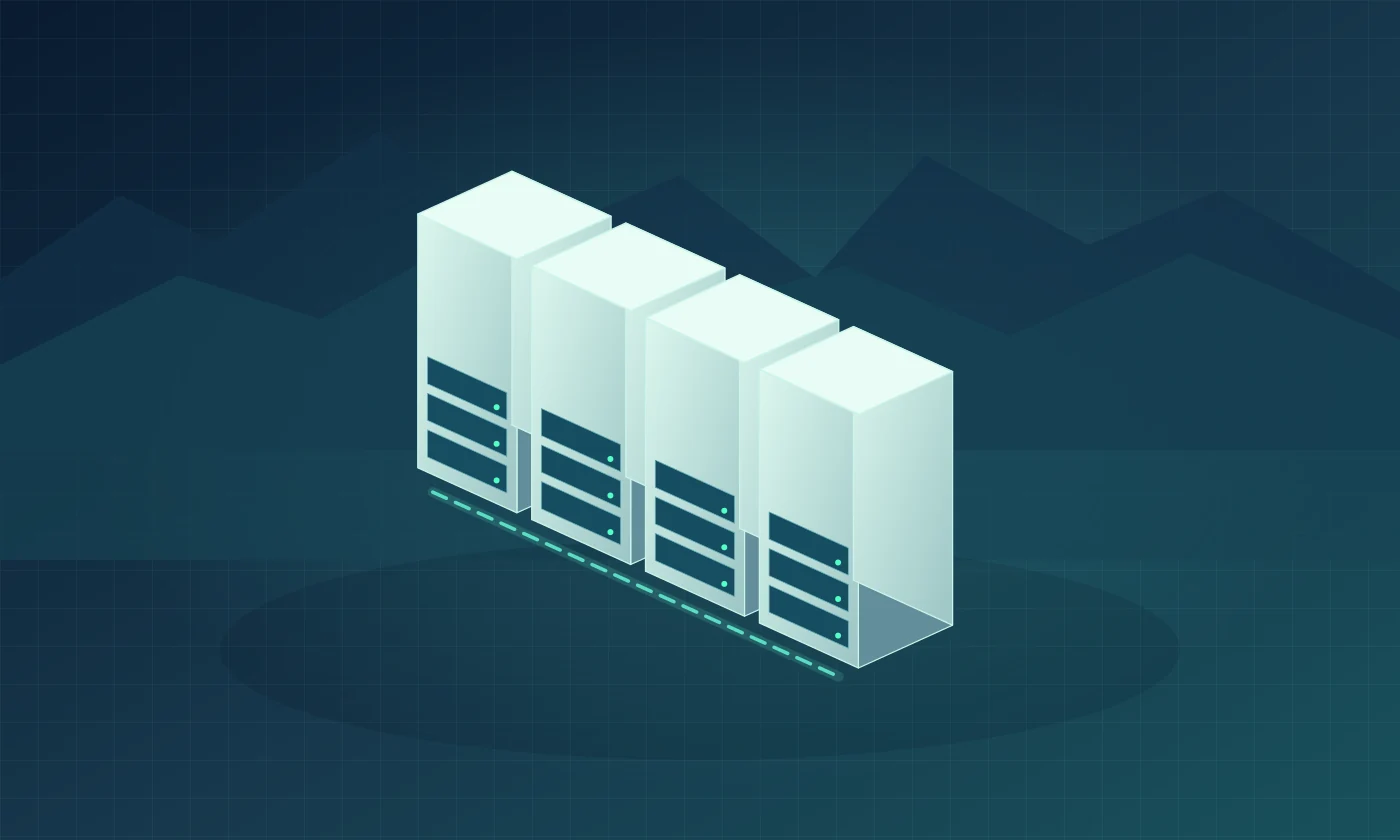
A protected reserve for the long interruptions.
The extended-outage scenario shows the reserve at work: critical loads continue on the battery, and the generator is the last resort. Emergency energy support remains a roadmap item.
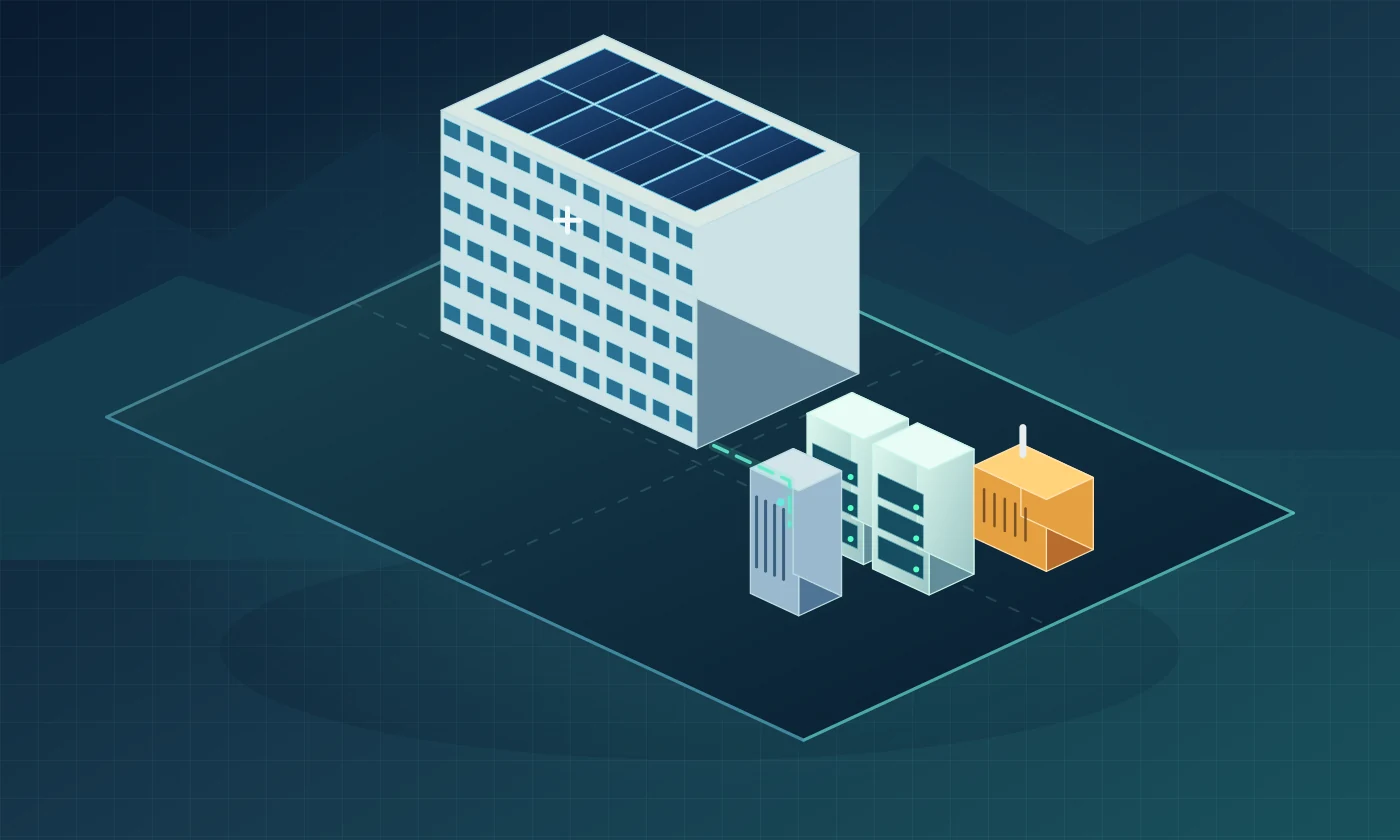
One engineering state. The plant view, the single-line diagram and the graphs below follow the same configuration rules as the Energy Explorer. Motion and wording show behaviour only; no ratings, sizes or savings are implied.
01How it operates
- A protected reserve is held in the battery for interruptions.
- Critical loads stay on the grid-forming PCS while the reserve lasts.
- As a roadmap item, an external DC service port could accept energy delivered to site.
- Normal charging remains through the site’s compatible inverter or PCS.
02When it makes sense
- Sites exposed to long interruptions where the DG is the only fallback today.
- Remote or difficult-to-supply sites.
- Pilot programmes evaluating emergency energy support.
- Owners planning resilience over several years.
03Engineering constraints
- Emergency energy support is a roadmap / pilot direction, not a delivered service.
- Any DC service interface needs its own protection, metering and approvals.
- Commercial and regulatory terms are not settled.
- Reserve size is recalculated from field data before any pilot.
How a reserve behaves through a long outage.
Emergency Backup mode holds a deep reserve and spends it only when the grid fails.
When the grid fails, critical feeders stay on the grid-forming PCS while the EMS pauses non-critical feeders if the reserve needs protecting. When the grid returns, non-critical loads come back and the battery recharges.
Emergency Backup: Holds a deep reserve for critical loads. The battery discharges only when the grid fails. Useful ahead of known outages or monsoon storms. The battery stays inside its operating window; charge and discharge never exceed the converter limit.
Isolated, regulated, project-specific.
A qualified DC energy source held in a known, tested state.
Project-specific service equipment regulates transfer. It never parallels batteries directly or uncontrolled.
Charged under regulated limits. Normal AC charging stays with the compatible site inverter or PCS.
Samvora is not a public battery-swapping service. Asset identity (the physical hardware) and stored energy rights (the contract) are kept separate. All reserves are engineered allocations.
Energy hub lifecycle.
Site logging, identity and single-line validation.
Thermal checks and isolated hold for unknown or suspect units.
BMS data, health and telemetry review.
Stabilised input under EMS supervision.
Approved, charged and compatible units logged.
Regulated delivery on emergency need, with custody records.
Roadmap, not a promise.
All continuity concepts, battery architectures and service pathways are preliminary. There is no commercial guarantee of any reserve, response time or price. Pilot participation depends on site engineering, equipment compatibility, regulation and validation.
Start with how your site actually uses energy.
Share a few details and your recent bills. A Samvora engineer reviews your load, tariff and reliability needs before anything is proposed.