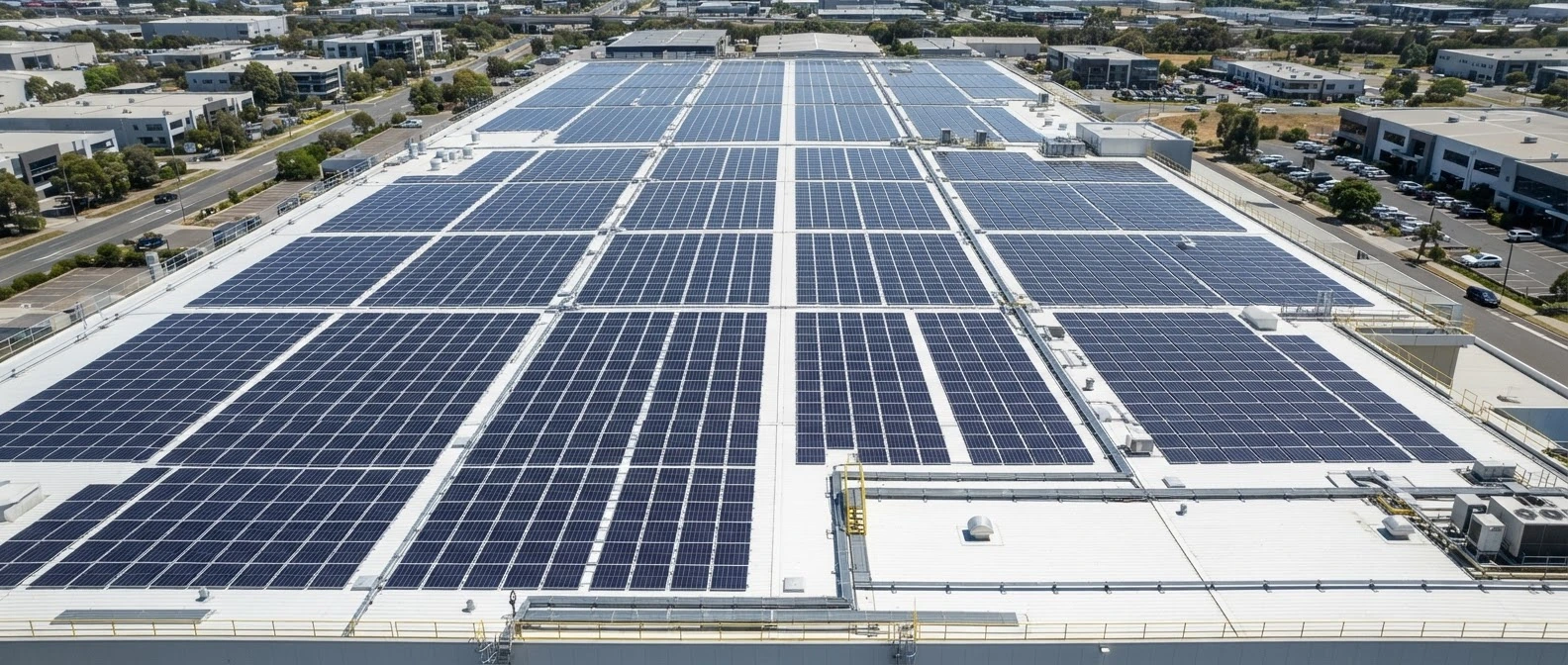
Home/Industries/Petrol Stations
Petrol stations · fuel retail · highway sitesEnergy design for a forecourt that operates day and night.
Dispensers, POS and lighting must stay online through long operating hours. Samvora designs canopy solar and backup so the station keeps selling when the grid does not cooperate.
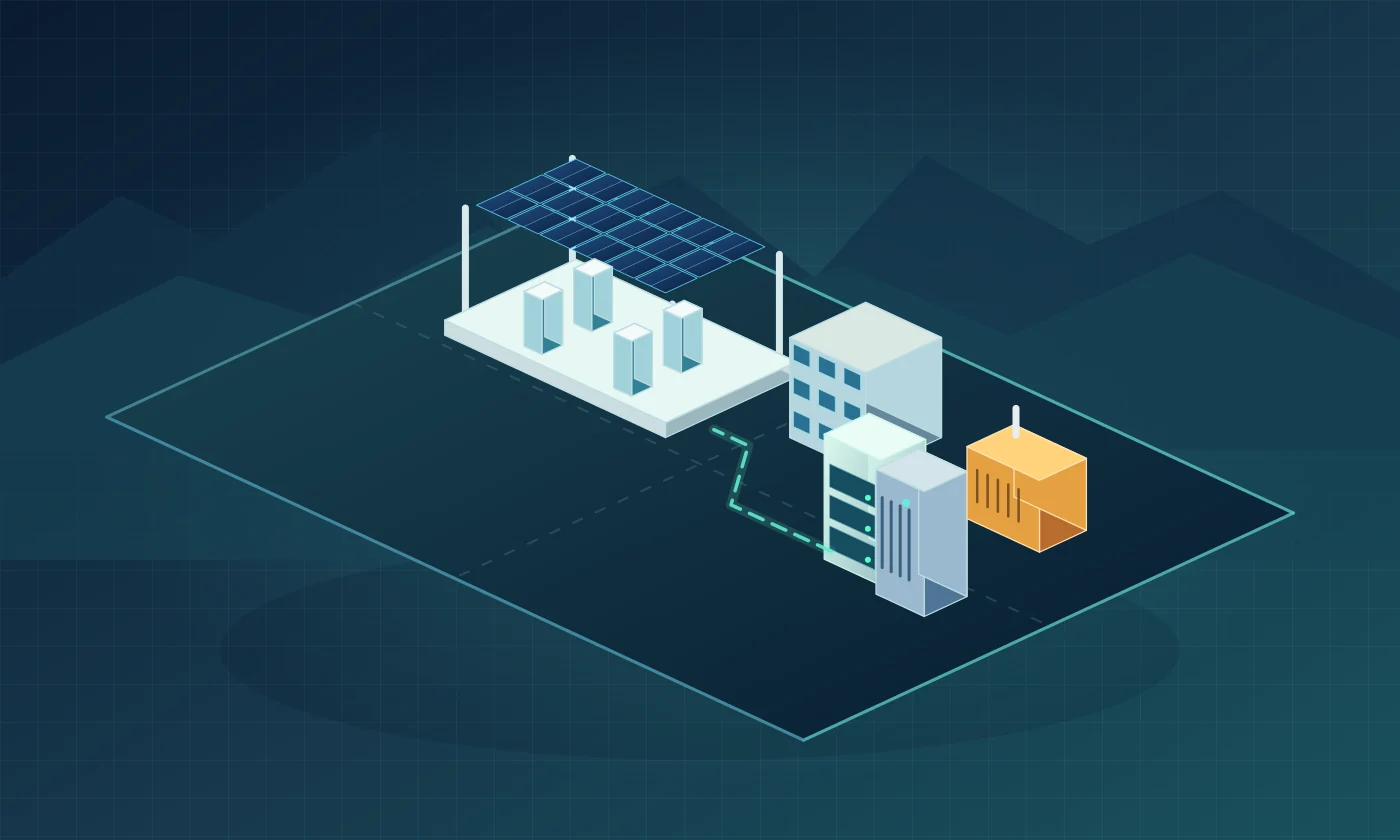
Keep the dispensers selling through a power cut.
Canopy solar, a grid-forming PCS and a battery keep dispensers and lighting on while the store and air compressor follow in priority order.
Petrol station → dispensers that keep selling through a cut
Where it hurts today
- Dispensers, POS and canopy lighting stop at every cut; queues form while the DG starts.
- The DG runs for short cuts at very light load.
- Canopy roof area is available but unused.
What changes
- Cut → dispensers keep running on the PCS.
- DG starts only for long outages.
Impact, classed honestly
- Ride-through for dispensers · Calculable
- Generator starts avoided · Calculable
- Hazardous-area placement · Needs site verification
Interactive comparison loads with JavaScript. Qualitative behaviour only: no ratings, savings or backup times are shown.
One engineering state. Drag the comparison or step through the four stages. The plant view, the single-line diagram and the graphs below follow the same configuration rules as the Energy Explorer. Motion and wording show behaviour only; no ratings, sizes or savings are implied.
01How it operates
- Canopy solar supplies the forecourt and store in daylight.
- Dispensers and submersible pumps stay on a grid-forming bus during interruptions.
- Short interruptions ride on the battery; the DG starts only when needed.
- Store, signage and air compressor follow in priority order.
02When it makes sense
- Frequent interruptions that stop sales.
- Daily DG starts at the forecourt.
- Canopies and store roofs suitable for PV.
- 24-hour operation with evening lighting.
03Engineering constraints
- Hazardous-area rules govern equipment placement near dispensers and tanks.
- Oil-company approvals may be required for forecourt changes.
- Submersible pump starts need converter overload checks.
- Battery and inverter must sit outside classified zones.
Round-the-clock load, short interruptions.
Interruptions ride on the battery; the generator starts only for long outages.
Today every interruption starts the generator, often lightly loaded, where fuel use per unit of energy is worst. With storage, short interruptions ride on the battery and the generator starts only when an outage outlasts the reserve, then runs well loaded while recharging the battery. Fuel figures are estimated only from your generator log.
When the grid fails, critical feeders stay on the grid-forming PCS while the EMS pauses non-critical feeders if the reserve needs protecting. When the grid returns, non-critical loads come back and the battery recharges.
Small site, strict continuity.
Every dispenser and payment terminal is a revenue point.
No power, no sales.
Payments and automation.
Night-time visibility and safety.
Refrigeration and compressors.
Solar-ready surfaces.
Long hours with an evening high.
Traffic builds; canopy solar comes online.
Solar covers much of the site load.
Lighting and traffic peak after sunset.
Fuel station · 24 h: Dispensers, lighting and the store run day and night.
Continuity and running cost.
Grid interruptions halt dispensers and POS.
Fuel and upkeep for a standby DG.
A steady bill with an evening peak.
Canopy solar plus backup for what earns.
Canopy and roof PV lower the daytime bill. Storage sized for dispensers, POS and essential lighting keeps the station trading through supply interruptions.
Status labels are honest: Core service is delivered today; Engineering capability is designed and delivered project by project; Study / roadmap is under evaluation.
- 01Canopy & roof solar EPC Core service
Structures suited to forecourt safety zones.
- 02Critical backup for dispensers & POS Engineering capability
Storage sized for revenue-critical loads.
- 03Monitoring Engineering capability
Remote view for owners with multiple sites.
Grid lost, forecourt still selling.
The illustration shows an evening outage in Emergency Backup mode: the battery carries dispensers and POS while non-essential loads are shed if the reserve runs low.
Illustrative model, not project data. Topology, storage role and limits are set per site after assessment.
Each row is one piece of equipment; colour shows what it is doing. The EMS row shows the decision behind each change.
For a petrol station we start with…
- 12 months of bills
- Dispenser & POS loads
- Canopy dimensions
- Outage history
- DG usage
See how this would work at your station.
Answer a few visual questions and see your site today and with Samvora: at midday, in the evening peak and in a power cut. No sign-up; nothing is sent until you choose.
Start with how your site actually uses energy.
Share a few details and your recent bills. A Samvora engineer reviews your load, tariff and reliability needs before anything is proposed.