Home/Industries/Residential
Homes · villas · duplexesHome solar, engineered properly.
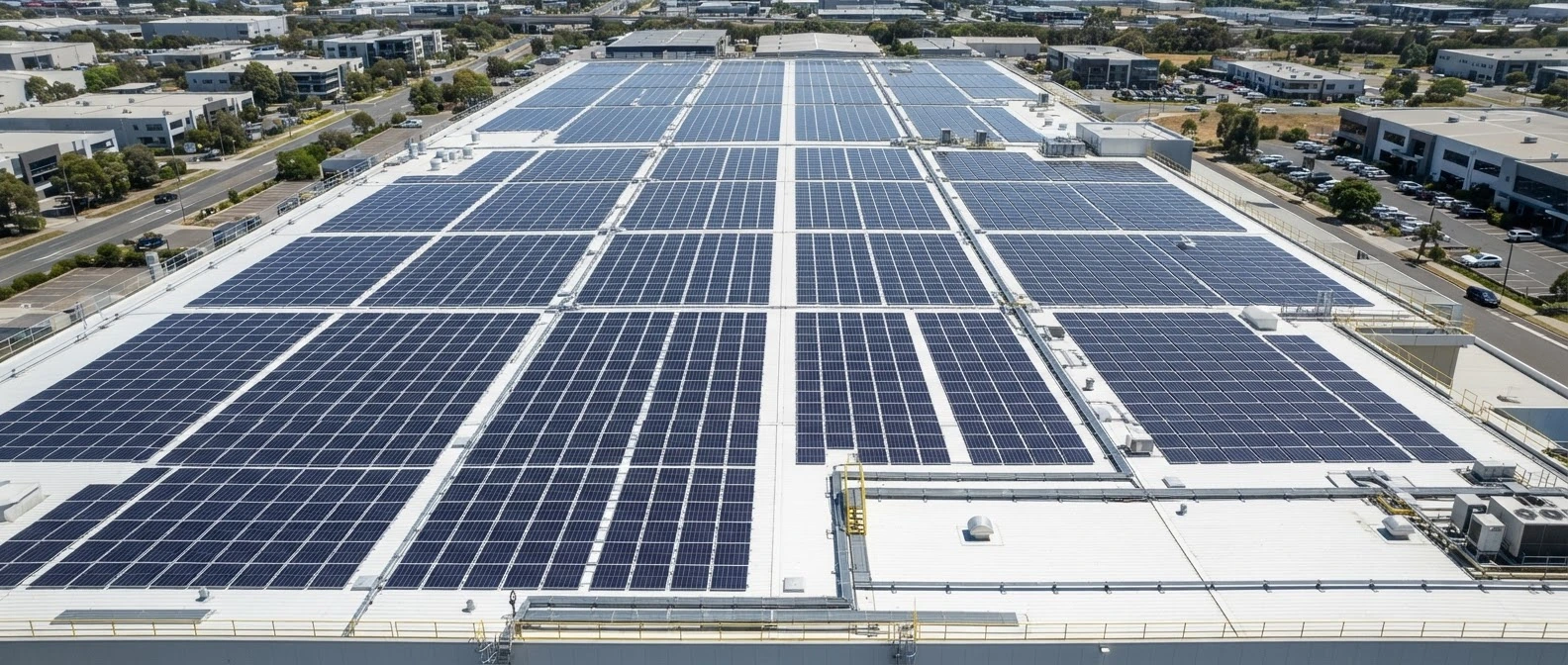
Our focus is commercial and industrial energy, but homes deserve the same engineering discipline: correct sizing, safe structures, proper protection, and a layout ready for a battery later.
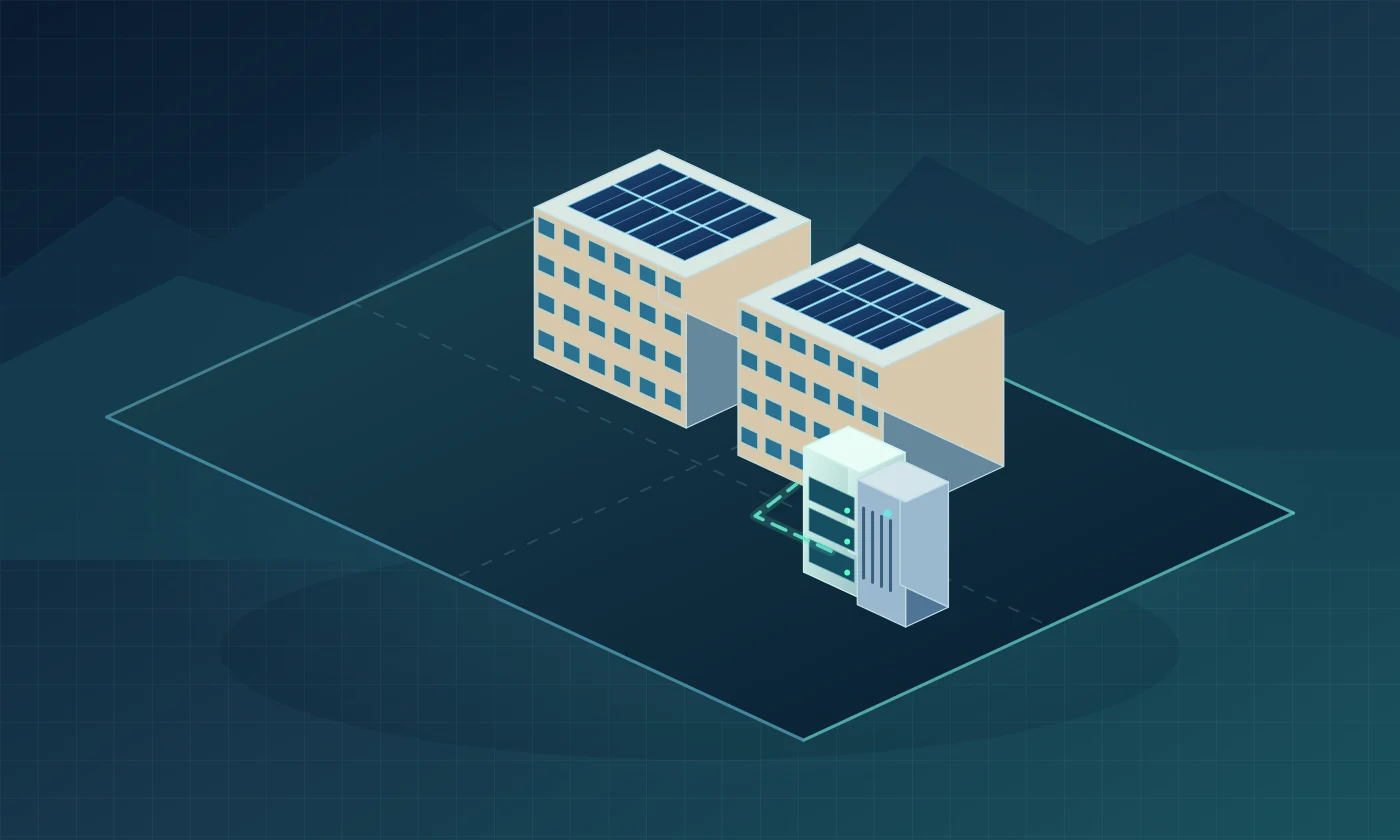
Solar, a hybrid inverter and a battery for the circuits that matter.
Watch a power cut: the hybrid inverter keeps essential circuits on from the battery and the roof.
One engineering state. The plant view, the single-line diagram and the graphs below follow the same configuration rules as the Energy Explorer. Motion and wording show behaviour only; no ratings, sizes or savings are implied.
01How it operates
- Rooftop solar feeds a hybrid inverter on a shared DC bus.
- Daytime surplus charges the home battery.
- In the evening the battery supplies the house before the grid.
- During a power cut the hybrid inverter keeps essential circuits on.
02When it makes sense
- Frequent interruptions and an evening-heavy load.
- A roof with good sun and little shading.
- Essential circuits that can be separated: lights, fans, pump, internet.
- Owners who want backup without a generator.
03Engineering constraints
- Backup covers the essential circuits connected, not the whole house.
- Large air-conditioners and pumps need inverter surge checks.
- Battery placement needs ventilation and safe access.
- Net-metering rules depend on the utility.
An evening-peak household.
Most home use comes after sunset; storage, not more panels, moves it.
Solar output is zero at night, rises after sunrise, peaks near solar noon and falls to zero by sunset. Haze or cloud lowers the whole curve. Load continues after sunset, which is the gap storage fills.
Emergency Backup: Holds a deep reserve for critical loads. The battery discharges only when the grid fails. Useful ahead of known outages or monsoon storms. The battery stays inside its operating window; charge and discharge never exceed the converter limit.
A home roof, done right.
Small systems still need real engineering.
Orientation, shading and structure.
Evening and night load.
Can run in solar hours.
Lights, fans, fridge, internet.
Safe, compliant grid connection.
Evening-heavy, with a solar gap.
Pumps and water heating.
Low use; solar exports or offsets.
AC, lighting and cooking peak.
Home: Evening peak after sunset: storage, not more panels, is what moves it.
What homeowners actually worry about.
Especially with air-conditioning.
Weak structures and missing protection.
Whether today’s system can accept storage.
On-grid solar today, battery-ready for tomorrow.
Correctly sized on-grid solar with proper structure, earthing and protection, and a layout that leaves room for a future battery if outages or tariffs make it worthwhile.
Status labels are honest: Core service is delivered today; Engineering capability is designed and delivered project by project; Study / roadmap is under evaluation.
- 01Residential on-grid solar EPC Core service
Design, installation, net-metering documentation.
- 02Structure & protection Core service
Wind-rated mounting, earthing, SPD.
- 03Battery-ready layout Engineering capability
Space and wiring planned for future storage.
- 04Home battery backup Study / roadmap
Evaluated case by case.
Solar offsets the day; the grid still backs the evening.
An on-grid home system without storage in the illustration. Solar covers daytime load; the evening runs on the grid until a battery is added.
Illustrative model, not project data. Topology, storage role and limits are set per site after assessment.
Supply always equals demand: solar first, then the battery in the windows the EMS chooses, then the grid. Charging appears below the axis. Shape from the illustrative model; real balance comes from metered data and the engineering model.
For a home we start with…
- Recent electricity bills
- Sanctioned load
- Roof photos
- Main appliances (AC, pumps)
- Outage frequency
See how this would work at your home.
Answer a few visual questions and see your site today and with Samvora: at midday, in the evening peak and in a power cut. No sign-up; nothing is sent until you choose.
Start with how your site actually uses energy.
Share a few details and your recent bills. A Samvora engineer reviews your load, tariff and reliability needs before anything is proposed.