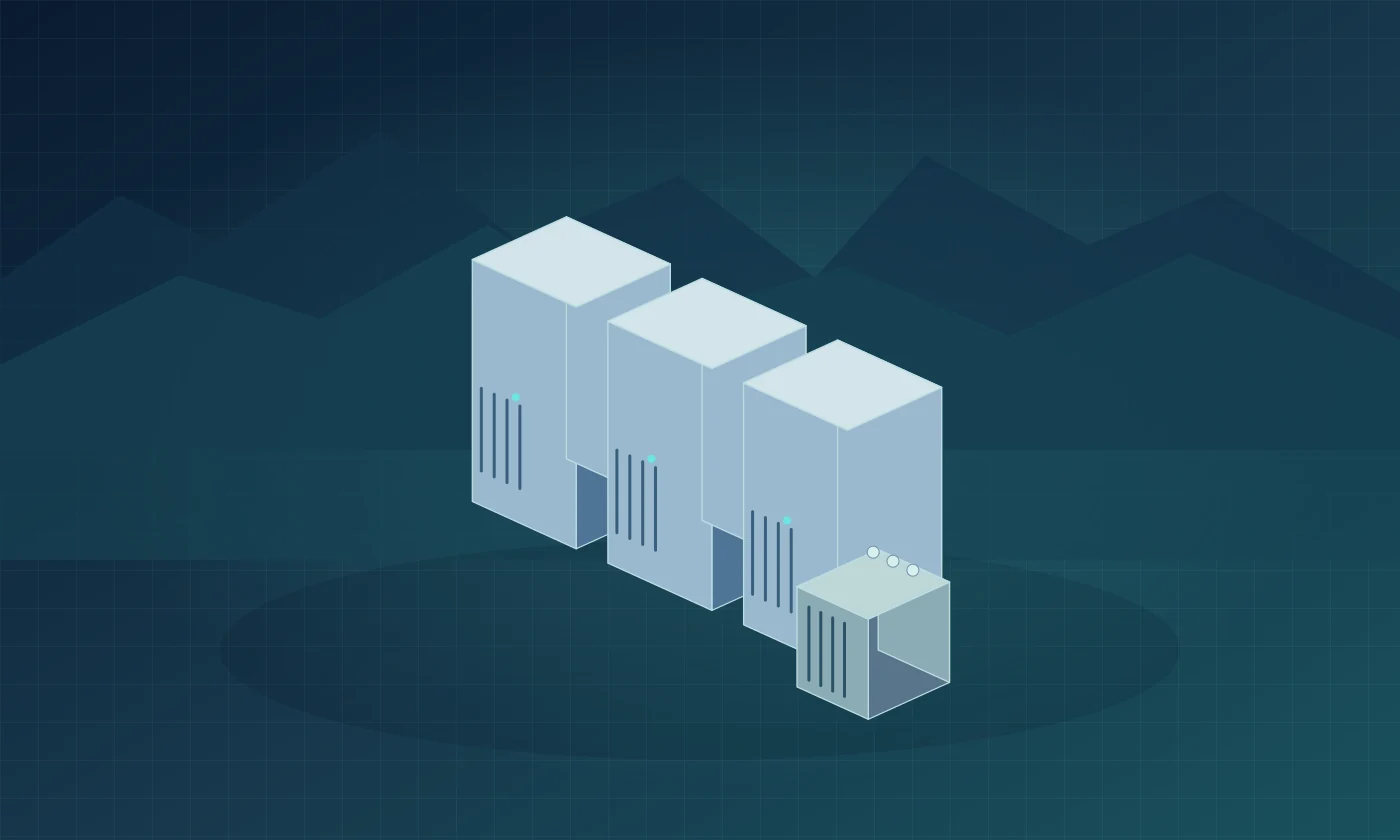
01Physical energy infrastructure
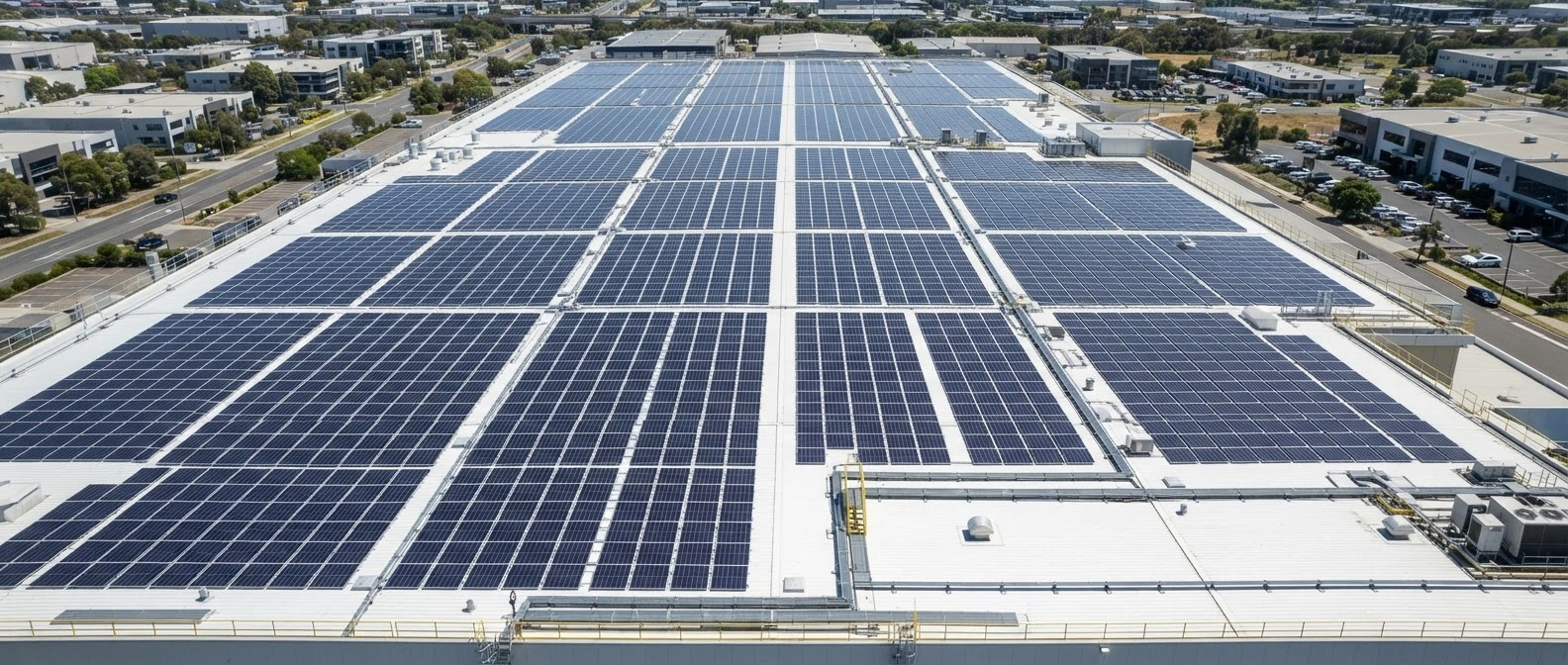
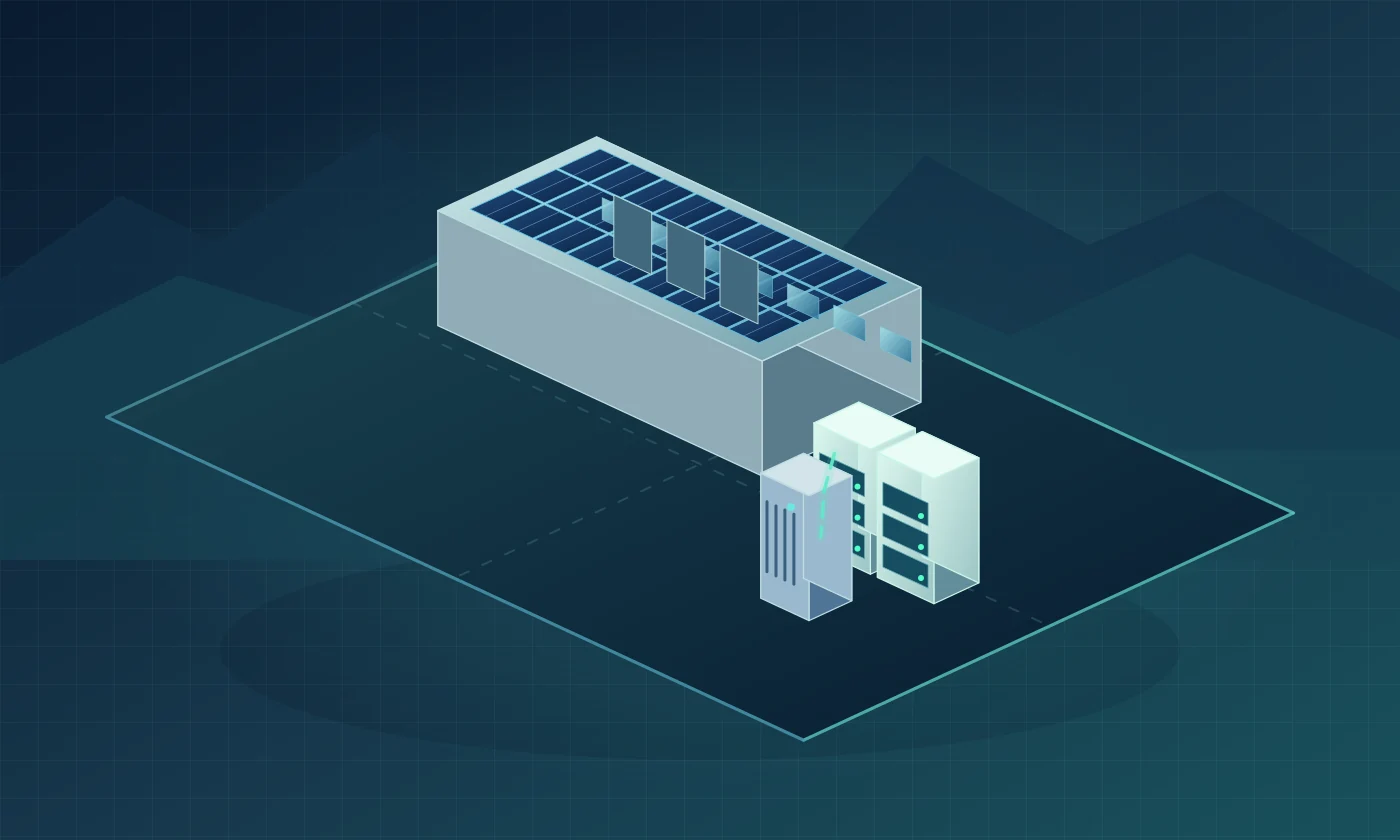
Solar PVBESSPCS / hybrid inverterVFDsMeters & CT/PTSwitchgear & protectionGrid connection
Home/Company/Vision / About
Why SamvoraTime-of-day tariffs, demand charges, outages and heavy motor loads mean a site can no longer just buy grid power and add a few panels. It needs an engineered, controlled energy system.
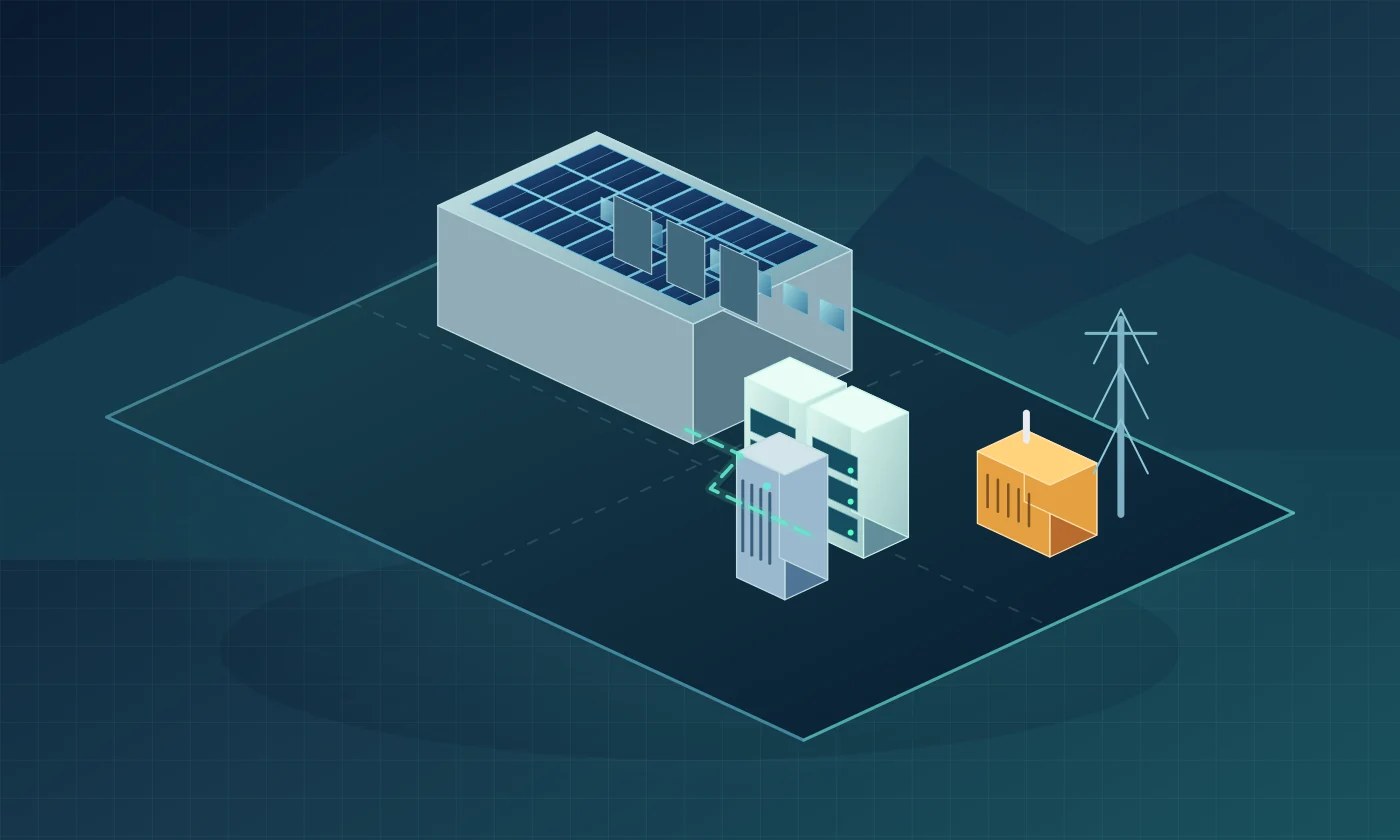
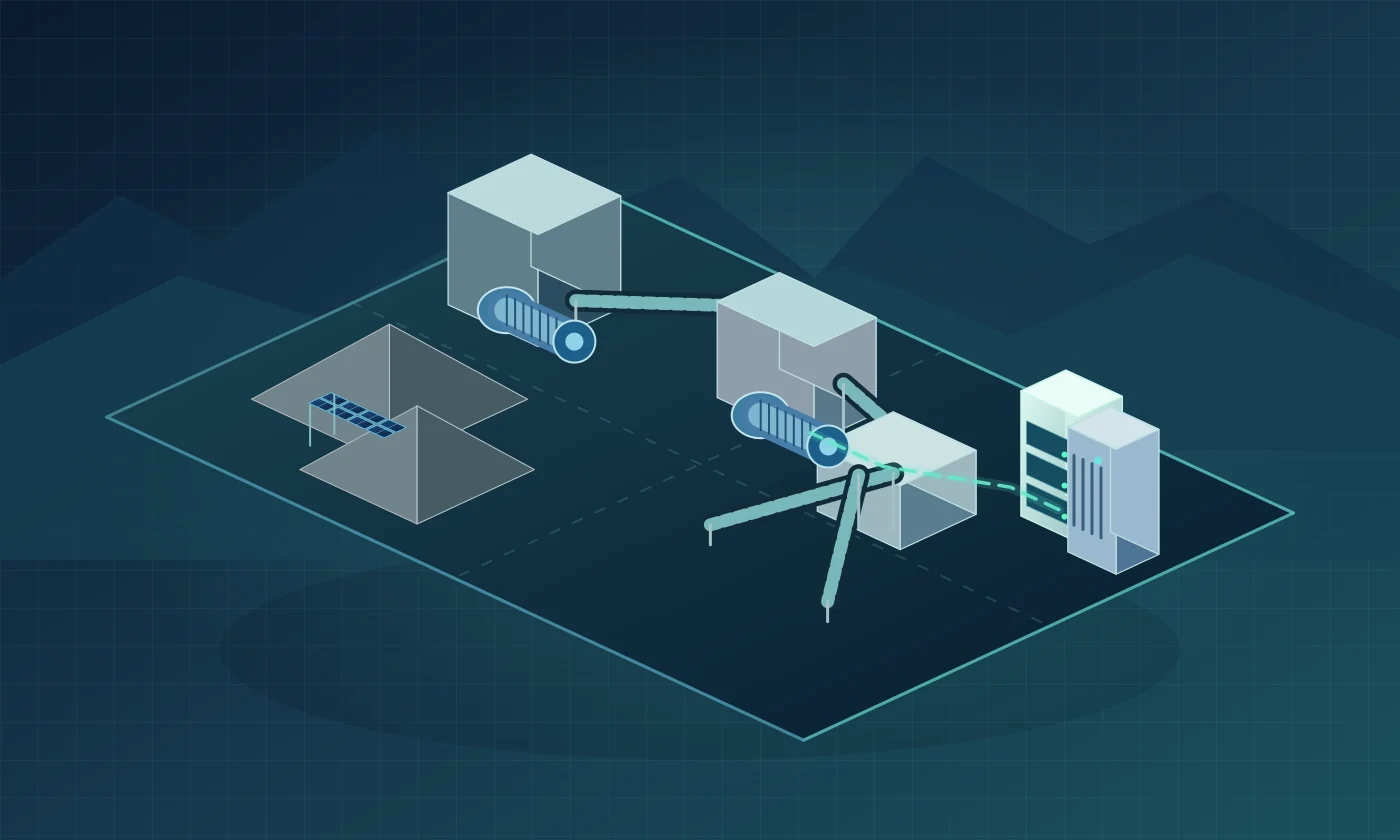
From a home battery to an off-grid crusher microgrid, every system is engineered from the site’s own load, constraints and risks.
Buy grid power as needed and add solar on top. Generation and usage were never coordinated.
TOD tariffs, demand charges, night loads, outages and complex equipment put continuity and cost at risk.
Solar, storage, power conversion and protection integrated into one controlled, monitored and verified system.
Samvora is not a cheap solar vendor or a generic equipment trader. We are an engineering-led, evidence-based, software-connected energy partner.
No hardware is specified without bills, load data and site evidence.
Every component is checked against model-specific documentation.
No generic savings promises. Expected performance comes from site-specific modelling.
Installation, tests and materials are recorded against the project.
Monitoring compares live behaviour with the design.
What we learn on site improves the next design.
Project-specific solar, BESS and protection design, documented interfaces and engineering-reviewed procedures.
Advanced forecasting to reduce battery stress from cloud-driven solar swings.
Multi-site coordination and energy-continuity services under pilot frameworks.
We distinguish present capability from future roadmap. No unconfirmed activation dates are declared.
We work across Marathwada, Solapur and the Pune region, and take on larger commercial and industrial projects further afield.
From Intake Hub and Energy Design Studio to EPC Operations, Command Centre and Lifecycle Control, we built the software our team uses every day, so your data stays connected for the life of your system.
Share a few details and your recent bills. A Samvora engineer reviews your load, tariff and reliability needs before anything is proposed.