
Home/OEM Partner Centre
OEM & technology partnersWe integrate energy equipment into complete systems. We need partners who document it properly.
Samvora engineers solar, battery storage, power conversion, energy management and motor control as one system for commercial and industrial sites in India. If you manufacture any part of that system, this page explains what we integrate, what we are developing toward and what we need from you.
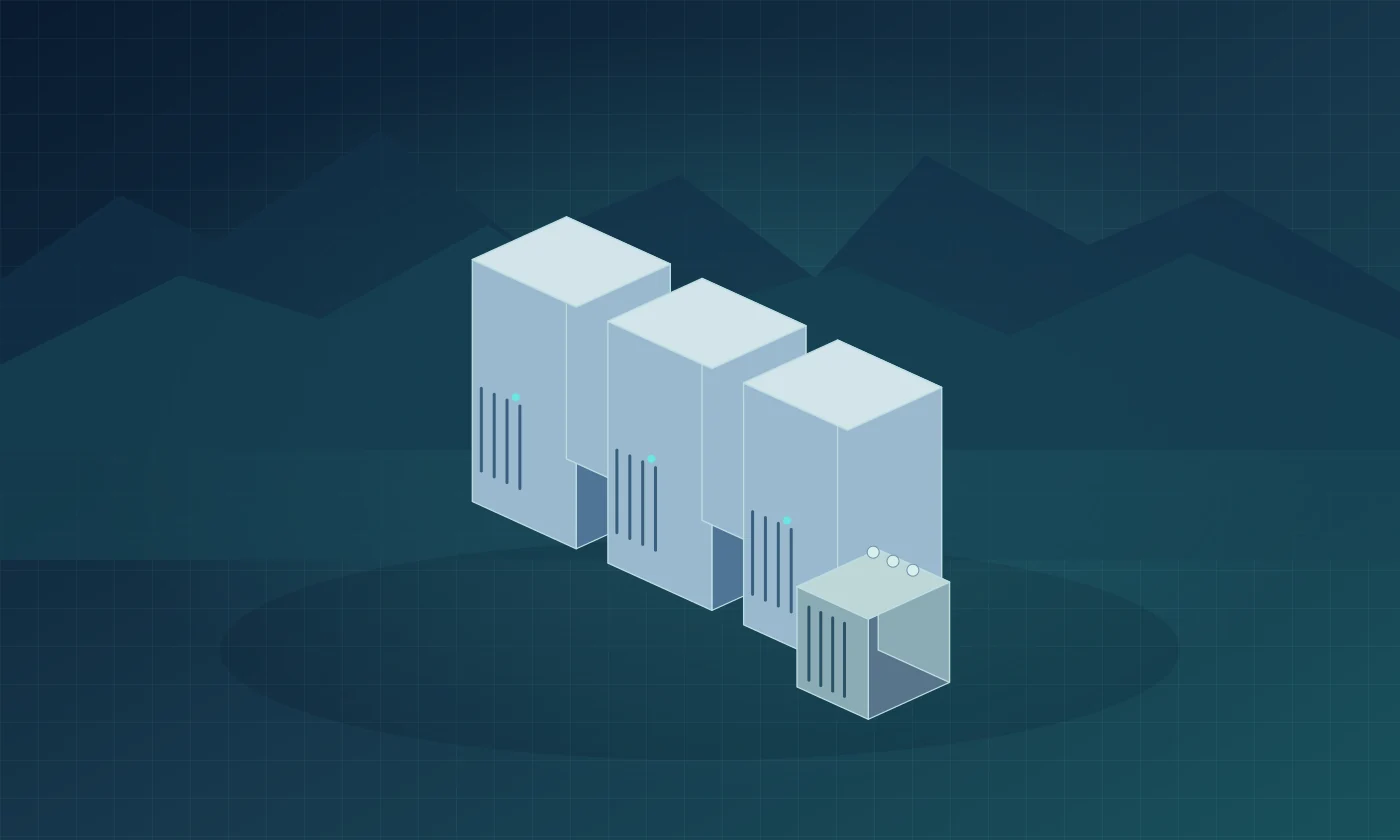
An engineering and integration company.
Samvora designs, specifies, integrates, commissions and supports energy systems built from partner equipment, and is developing its own integrated configurations along the capacity targets below. We do not present partner products as our own.
Design, structures, inverters, protection and commissioning for C&I sites.
Racks, cabinets and containers integrated with PCS, EMS, protection and fire safety.
AC- and DC-coupled architectures, islanding, DG parallel operation.
TOD, peak limiting, backup reserve, DG coordination and monitoring.
Crushers, pumps, conveyors and compressors on grid, DG, PCS and battery.
Commissioning records, remote monitoring, warranty coordination and field service.
Where your hardware and software sit in a Samvora system.
Every layer is integrated, tested at commissioning and supported for its life. For each layer: what it does in the system, what we need from you, and whether it is delivered today or a development target.
The same equipment, working as one site.
Switch scenarios to see how each layer behaves on a normal day, in the peak window, through an interruption and during a motor start.
Select your product type. See exactly how it fits.
For each equipment class: how it works in the system, where it connects in the single-line diagram, the operating profile it must support, and the interfaces, controller responsibilities, dependencies and verification criteria we work to. Status is shown as engineering capability or development target, never as an approval.
- Power conversion system (PCS) A bidirectional converter between battery DC and site AC: grid-following for cost shifting, grid-forming to run the site as an island.
- BESS and battery racks Cells in modules, modules in racks, racks in parallel: the battery holds the energy the system shifts and reserves.
- Battery management system (BMS) Measures every cell, balances them and opens the contactors before a limit is crossed.
- Energy management system (EMS) The decision layer: reads meters and devices, applies tariff and reserve rules, commands converters, inverters and the generator.
- Variable-frequency drive (VFD) Rectifier, DC bus and inverter synthesise a variable-frequency supply so a motor ramps up instead of surging.
- Solar PV and inverters Modules turn sunlight into DC; inverters track the maximum power point and convert it to grid-synchronised AC.
- Diesel generator (DG) An engine-driven alternator, rated in kVA, that becomes the last-resort source once storage carries short outages.
- LT panels, switchgear and protection Breakers, relays and busbars that connect every source and feeder and isolate only what is faulted.
- Cooling and fire safety Holds every rack inside its temperature window and detects trouble early, long before any fire.
Illustrative engineering views. Nothing here says that Samvora makes or has installed a partner product, or that any product has been approved. Interfaces are confirmed with each manufacturer during technical review.
Where your equipment would operate.
Energy-intensive Indian sites with real constraints: high summer temperatures, dust, monsoon humidity, weak feeders, frequent outages, diesel generators and heavy motor loads.
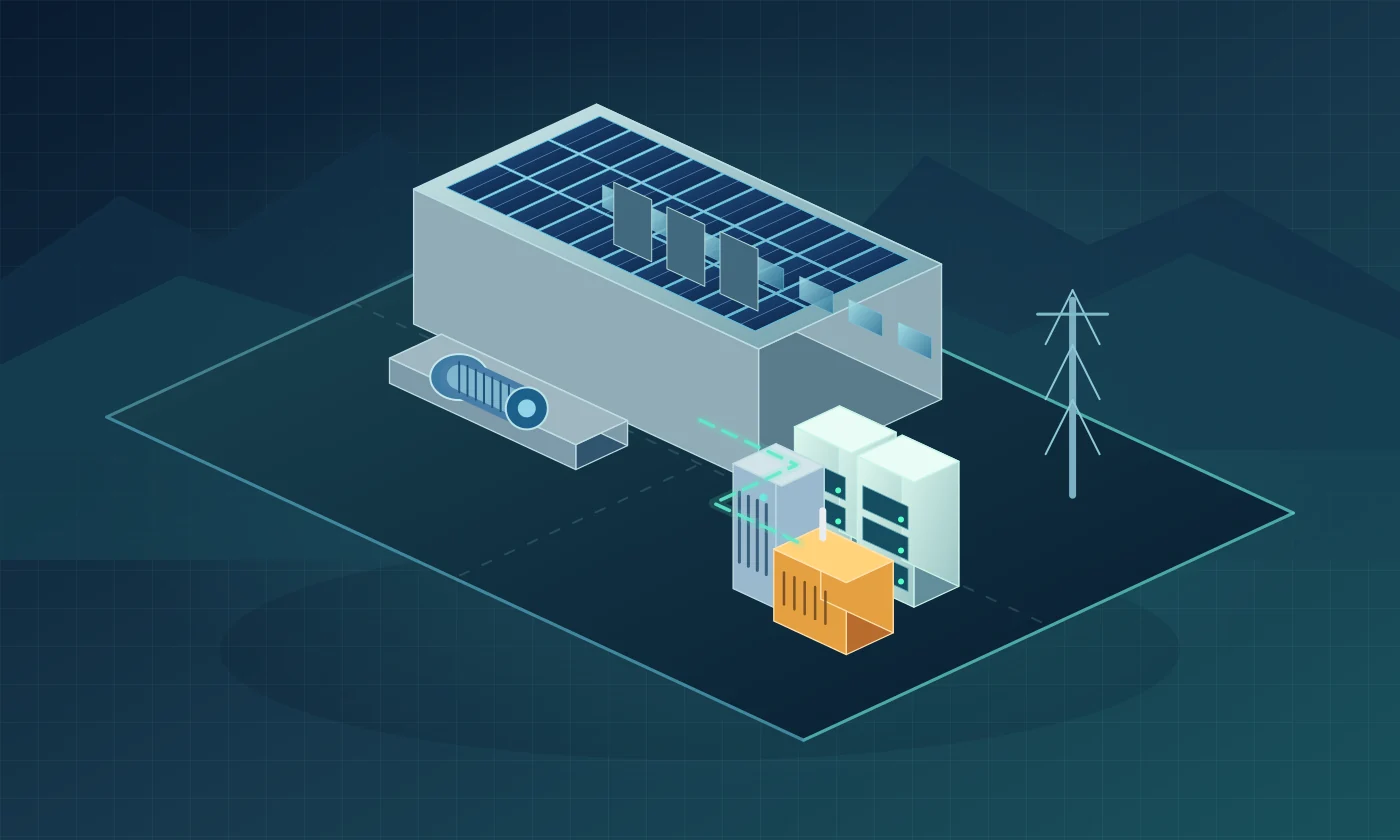
Factories & manufacturingShift loads, demand limits, motors.
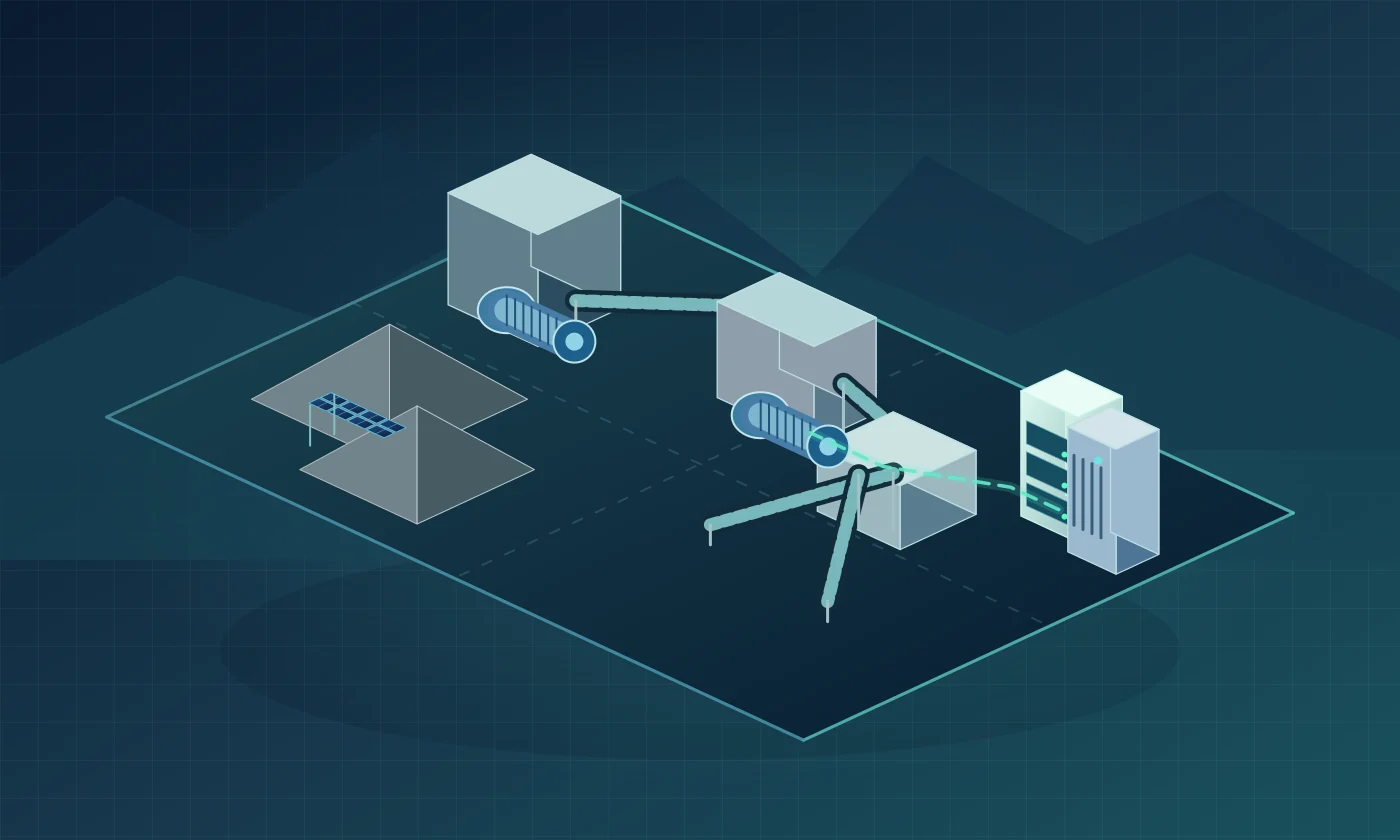 Stone crushers & process plantsHeavy starts, dust, DG-led supply.
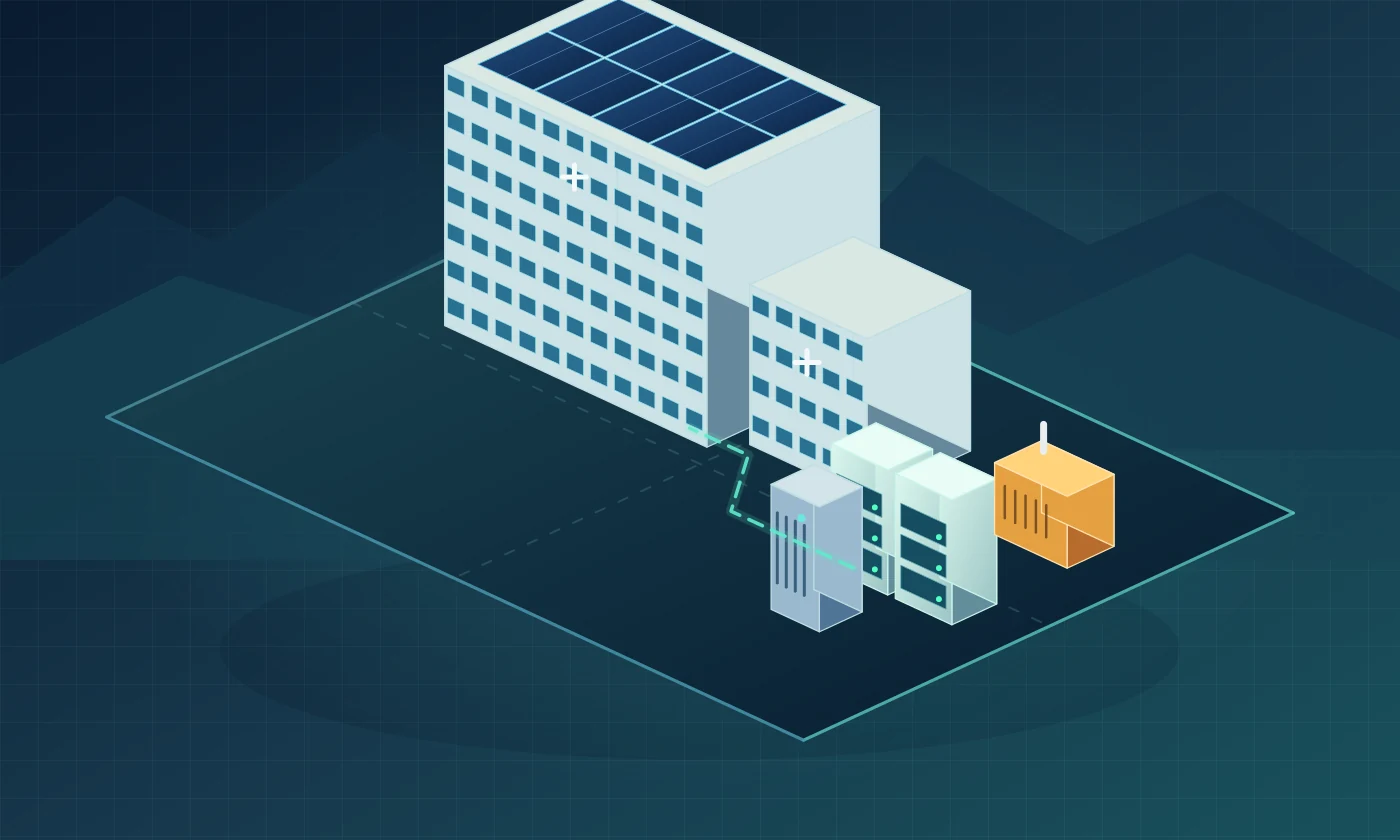 HospitalsCritical loads, tested transfer behaviour.
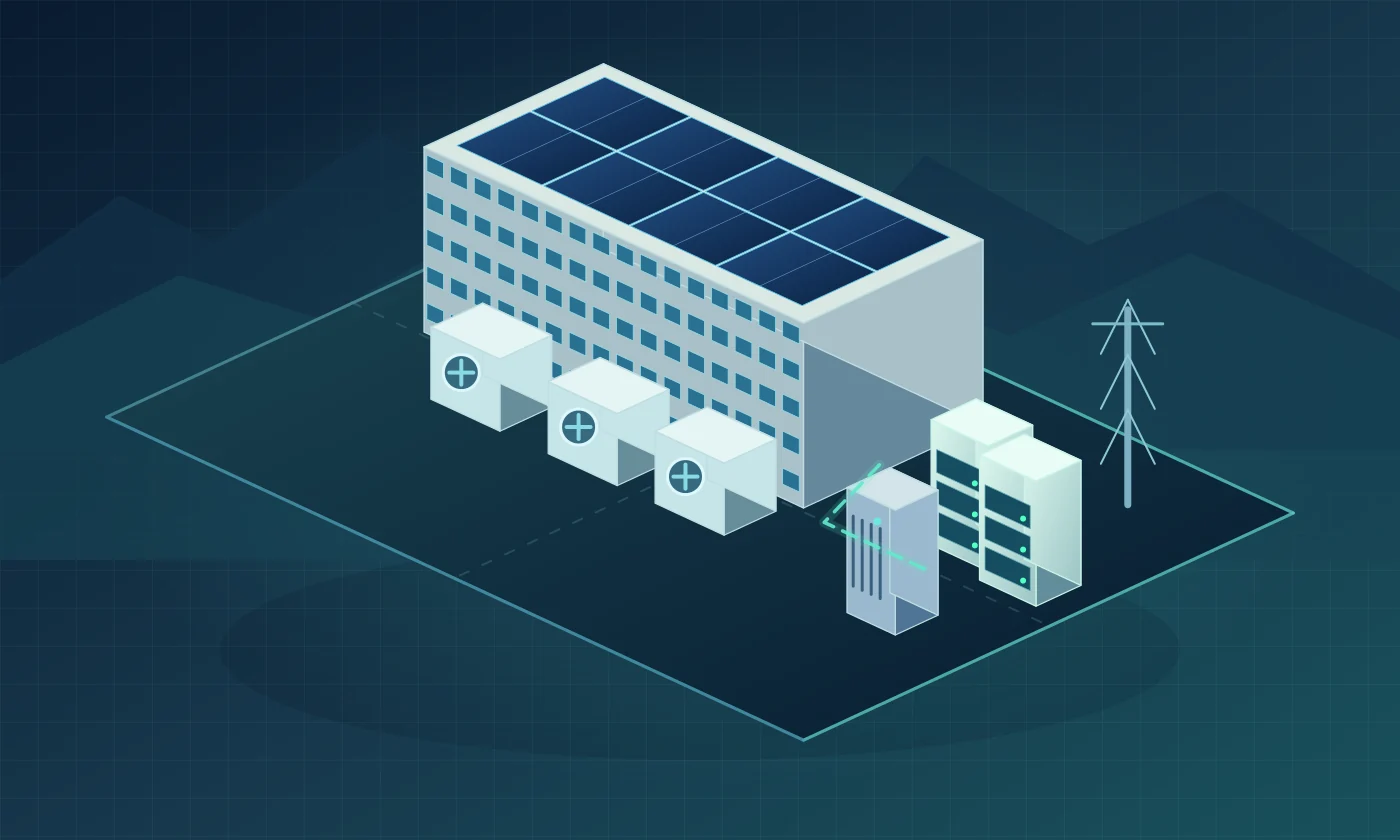 Hotels & mallsEvening peaks, HVAC, TOD tariffs.
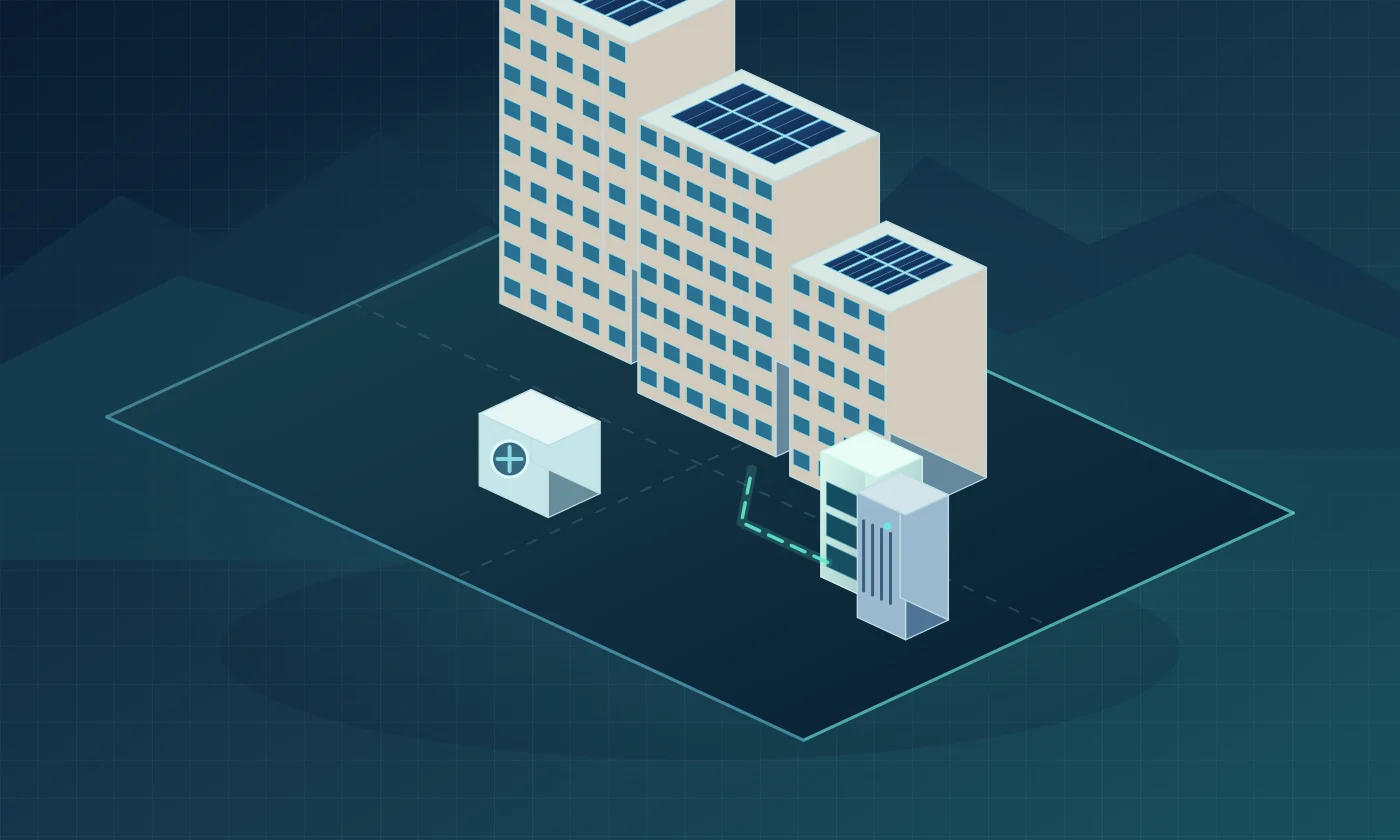 Housing societiesLifts, pumps, common-area loads.
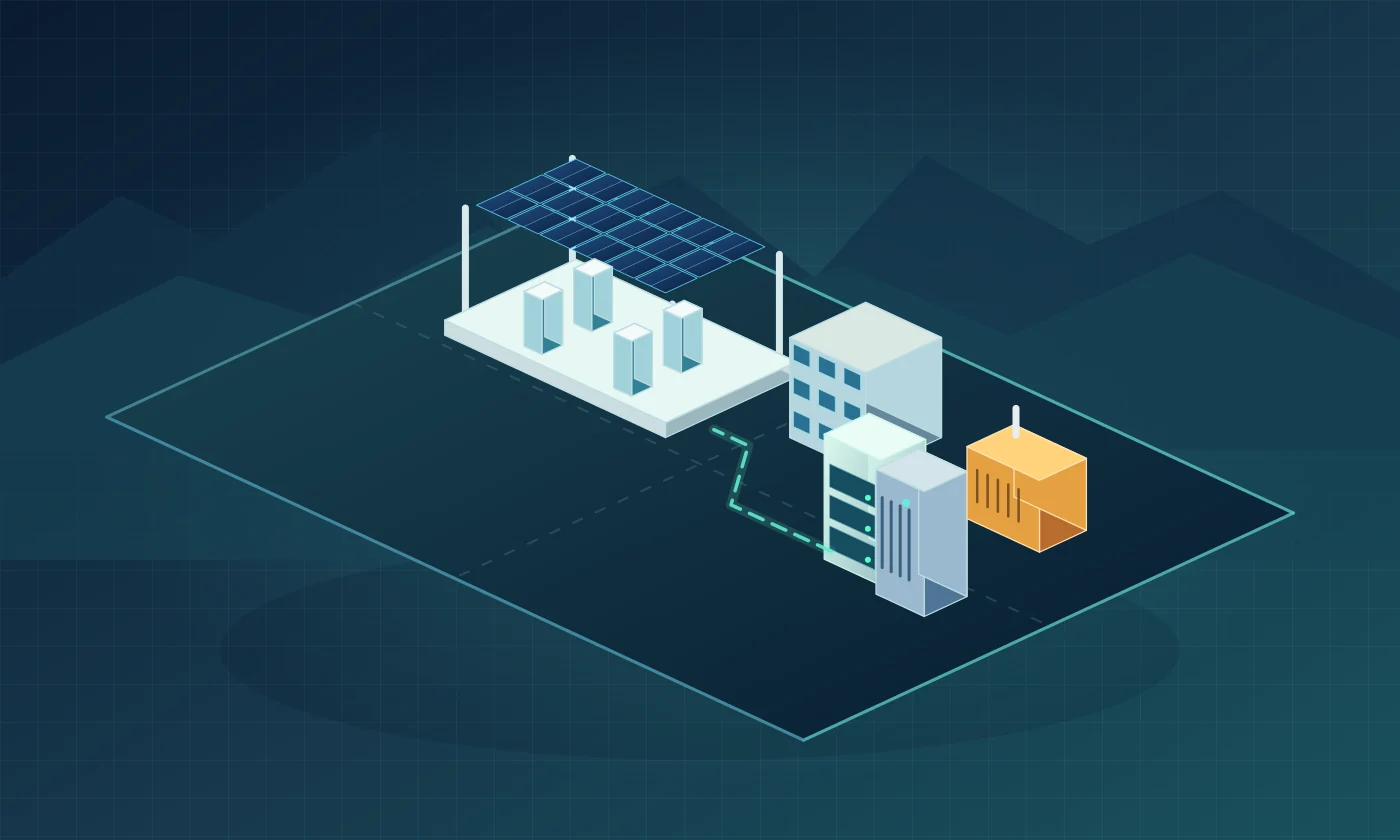 Petrol stationsDispensers and POS through outages.
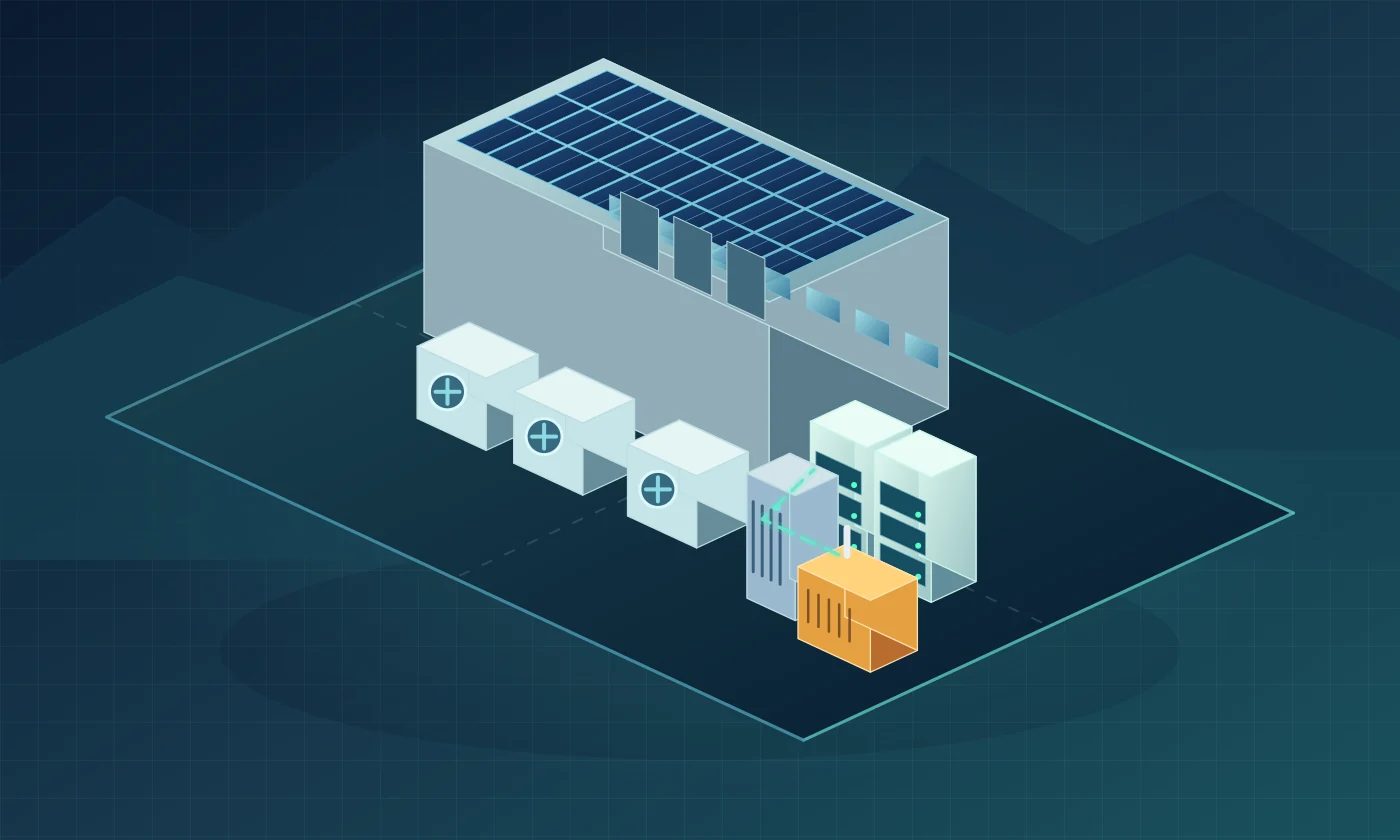 Cold storage & food processingContinuous refrigeration, high ambient.
 Weak-feeder & DG sitesMicrogrids and DG reduction.
Capacity classes we are developing toward.
These are Samvora development targets, not available Samvora products and not tested or approved systems. Converter power (PCS kW) and stored energy (BESS kWh) are specified independently: the kW class does not fix the kWh.
- Energy (kWh)
- Set per test case
- Purpose
- PCS, BMS and EMS integration and interoperability testing
- Status
- Planned and in development; not a completed, tested or approved Samvora product
- Energy (kWh)
- Sized per application, independent of the kW class
- Typical sites
- Hotels, hospitals, malls, housing societies
- Energy (kWh)
- Sized per application, independent of the kW class
- Typical sites
- Larger commercial and light industrial
- Energy (kWh)
- Sized per application, independent of the kW class
- Typical sites
- Industrial plants, process loads, DG reduction
- Energy (kWh)
- Sized per application, in battery blocks, independent of the kW class
- Typical sites
- Large industrial sites and microgrid blocks, possibly parallel units
How battery energy (kWh) is sized
There is no fixed hours-per-kW ratio. Each application sets the energy separately from the converter rating, and a site with several needs is sized for the largest combined duty.
| Application | PCS power (kW) is set by | BESS energy (kWh) is set by |
|---|---|---|
| Backup for critical loads | Critical load running power and starting surges | Critical load energy over the required backup duration, plus a protected reserve |
| Peak / TOD shifting | Peak demand to be reduced | Energy in the peak-tariff window(s) from the measured load profile |
| DG reduction | Load carried while the DG is off | Outage duration pattern and the DG start / stop strategy |
| Solar self-consumption | Charging and evening discharge rate | Surplus daytime solar energy and the evening load it can serve |
| Motor starting and power quality | Surge and overload capability | Often small: short-duration support, set by start frequency and duration |
| Microgrid / weak grid | Island load, motor starts, DG paralleling | Islanded hours, solar availability and DG fuel strategy |
Performance and derating data at high ambient temperatures are essential.
Quarry dust and monsoon humidity: enclosure ratings and cooling design.
Voltage fluctuation, frequent outages and islanded operation.
Motor starts, DG parallel operation and unbalanced loads.
What we evaluate, subsystem by subsystem.
Technical screening decides compatibility. Every model is reviewed on its own documentation; nothing is approved by default.
Battery formats
- LFP cells, modules and packs with model-specific data
- Indoor racks, outdoor cabinets and containerised blocks
- Usable energy (kWh) and continuous power (kW) stated separately
- Cycle life at stated depth of discharge, C-rate and temperature
- Thermal management performance at high ambient
BMS hierarchy we expect
Register maps for every level that the EMS or PCS reads.
Grid-forming PCS
- Bidirectional conversion, rated in kW, with documented overload capability and duration
- Grid-forming (voltage-source) operation, with the control method described
- Black start and documented transfer behaviour between grid and island
- Parallel operation of multiple PCS, and with diesel generators
- Unbalanced and non-linear load handling
Documentation
- Efficiency curves and temperature derating
- Harmonic performance
- Battery voltage window and BMS compatibility list
- Grid-interconnection and anti-islanding documentation relevant to Indian connections
- Protection settings and fault-current behaviour
Integration
- Modbus TCP / RTU and CAN, with complete register maps
- IEC 61850 or other utility protocols where a project needs them
- Local control that keeps working without cloud connectivity
- Control modes: TOD, peak limiting, backup reserve, DG coordination, export limiting
Security & data
- User and role management
- Signed firmware and a documented update process
- Time synchronisation and event logs
- Data export or API access for Samvora monitoring
Applications
- Crushers and mills with heavy, frequent starts
- Pumps, fans and compressors with variable flow
- Conveyors with sequenced starts
- Motors that must run on DG, PCS or battery supply
What we need
- Power range, overload class and enclosure rating for dusty sites
- Harmonic data and filter options
- Communication for sequencing with an EMS or PLC
- Local service and spares
Protection
- DC isolation, fusing and breakers rated for the battery system
- AC protection and coordination data
- Surge protection and insulation monitoring
- Earthing guidance
Cooling & fire safety
- Air or liquid cooling with capacity at high ambient temperature
- Smoke, heat and off-gas detection
- Suppression and ventilation / deflagration-mitigation concept
- Battery safety test reports, for example to IEC 62619 or UL 9540A, where available
Commissioning & interoperability
- Factory and site acceptance test procedures
- Commissioning manuals and checklists
- Tested BMS–PCS–EMS pairings, or participation in our interoperability testing
- Access to factory engineers for complex integration issues
Local service
- Service engineers and spares available in India
- Response and replacement process for warranty claims
- Training for Samvora engineers
- Remote diagnostics
What to prepare before a technical discussion.
Links are best. The enquiry form does not upload files; our engineers will ask for anything else after first contact.
- Model-specific datasheetsFor the exact model and version offered.
- Test reports and certificationsType tests and safety standards the model holds.
- Communication protocolsRegister maps for BMS, PCS, EMS and meters.
- Warranty termsYears, cycles or throughput, and temperature limits.
- Installation and commissioning manualsIncluding FAT / SAT procedures.
- Pricing contextIndicative pricing and Incoterms. Not binding.
- MOQ and lead timeMinimum order quantity and delivery to India.
- Integration supportEngineer access, firmware support, remote help.
- Service in IndiaSpares, engineers, response process.
- Samples for the prototype trackAvailability for 20 kW integration testing, if relevant.
What will our engineers ask about your product?
Choose your product category to see the first questions in a Samvora technical review. Add the checklist to your enquiry to answer them up front.
Datasheets, test reports, protocols and warranty terms are reviewed for every category.
The OEM review journey.
Your enquiry and product links.
Limits and documentation evaluated.
Communication registers validated.
Compatibility and interoperability testing.
Added to the reviewed equipment library.
Field commissioning with your support.
Warranty and service coordination.
Submissions are not approved by default. Review happens model by model, and an enquiry is not a purchase commitment from either side.
Start a technical partnership discussion.
Share your company, one product family and links to its documentation. A Samvora engineer replies after the first review.
- Model numbers and ratings (kW and kWh separately)
- Certifications and test-report links
- Warranty, pricing context, MOQ and lead time
- Service in India and integration support
Do not submit passwords, API keys, OTPs or confidential interface credentials. Share documents as links; this form does not upload files or confirm approval. Prefer WhatsApp? +91 95791 41554
致储能与电力设备制造商
Samvora Energy 是一家位于印度马哈拉施特拉邦的能源工程公司,为工商业用户设计和集成光伏、电池储能(BESS)、储能变流器(PCS)、能量管理系统(EMS)及变频器(VFD)等完整能源系统。
我们正在寻找:技术资料完整、可在印度提供服务支持的设备与软件制造商,包括电芯 / 模组 / 电池簇、BMS、构网型 PCS、混合逆变器、EMS 与控制器、变频器、保护与开关设备、温控与消防系统、通信与监控设备。
开发目标功率等级:20 kW 原型验证路线(开发中)、100 kW、200 kW、500 kW、1,000 kW。以上均为开发目标,并非 Samvora 现有产品,也未经测试或认证。功率(PCS kW)与储能容量(BESS kWh)相互独立,按具体应用分别确定。
请准备:各型号规格书、测试报告与认证文件、通信协议与寄存器表、质保条款、参考价格(注明贸易条款)、最小起订量、交货期,以及在印度的服务与备件支持。
如何联系:请用英文填写上方表格(表格不支持上传文件,请提供资料链接),或通过 WhatsApp 联系 +91 95791 41554。
中文内容仅供参考,如有差异,以英文内容为准。