Home/Solutions/Standalone BESS + PCS
Battery energy storage · technical pathBattery storage, specified by power and by energy.
Power (kW) is how fast energy can flow through the converter. Energy (kWh) is how much the battery stores. Samvora sizes them separately from your load profile, tariff windows and backup needs, then engineers the BMS, EMS, protection and fire safety around them.
Charge when energy is cheaper. Discharge when it is not.
Switch between a normal day, the peak-tariff window and a grid interruption. Compare the site today with the storage system: the PCS moves power, the battery holds energy, the EMS chooses the moment.
Standalone BESS + PCS → grid charging, peak discharge and reserve
Where it hurts today
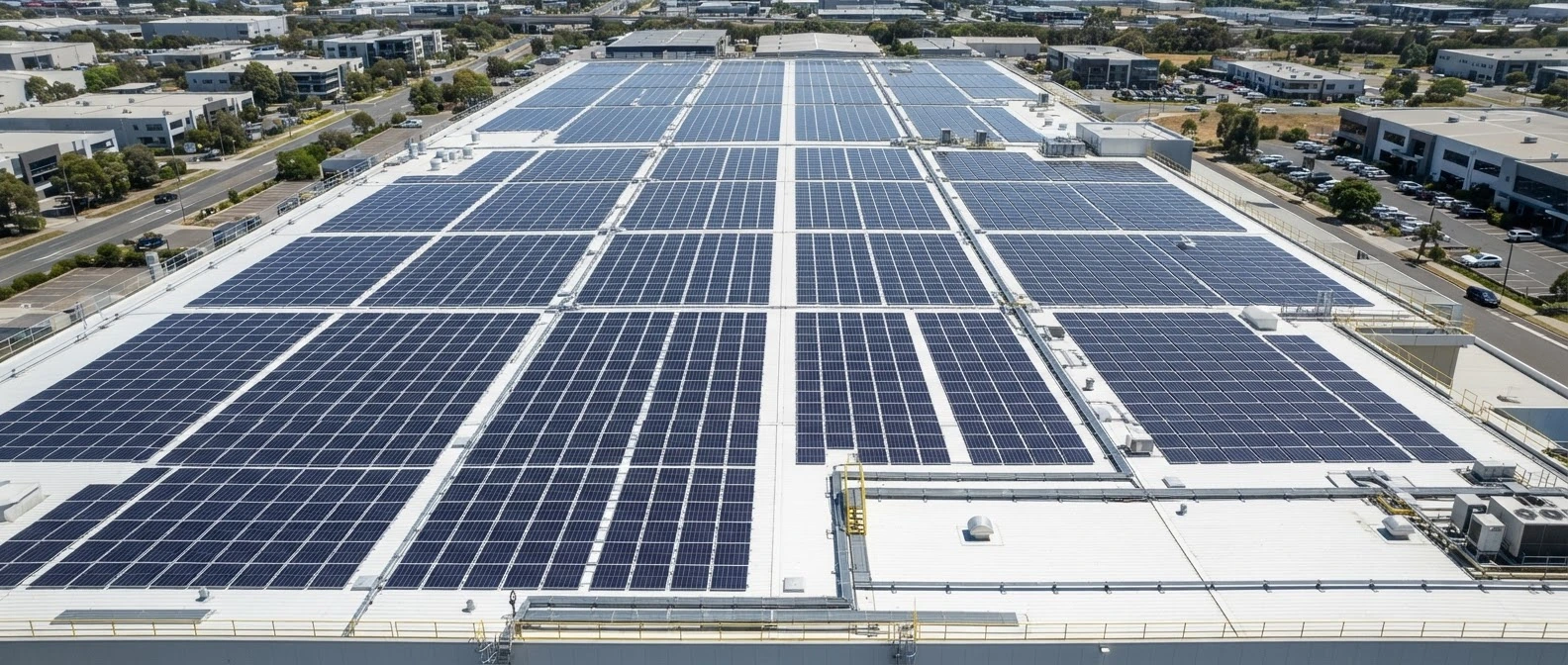
- The building has no roof or land for solar, but a large evening load in the peak-tariff window.
- Demand charges are set by a few predictable peaks each day.
- Server rooms and lighting need ride-through for interruptions.
What changes
- The PCS charges the battery from the grid in lower-cost windows.
- The EMS discharges through the peak window while holding a protected reserve.
- In an interruption the grid-forming PCS carries the critical feeders on the reserve.
Impact, classed honestly
- PCS power and battery energy · Calculable
- Peak-window import · Calculable
- Arbitrage value · Estimate until measured
- Grid charging permission · Needs site verification
Interactive comparison loads with JavaScript. Qualitative behaviour only: no ratings, savings or backup times are shown.
One engineering state. Drag the comparison or step through the four stages. The plant view, the single-line diagram and the graphs below follow the same configuration rules as the Energy Explorer. Motion and wording show behaviour only; no ratings, sizes or savings are implied.
01How it operates
- The PCS charges the battery from the grid in off-peak or lower-cost windows.
- The EMS reads import at the incomer and the tariff window, then discharges through peak hours.
- A reserve is held back for interruptions where the PCS is grid-forming.
- Power (kW) is limited by the PCS; how long it lasts (kWh) is limited by the battery.
02When it makes sense
- A large evening or peak-window load with a clear TOD price gap.
- Demand charges set by short, predictable peaks.
- No roof or land for solar, or solar already covers the day.
- Sites that need ride-through for a defined set of critical loads.
03Engineering constraints
- Round-trip losses: every stored unit costs more than one unit drawn.
- Grid charging must be allowed by the tariff category and connection.
- PCS kW and BESS kWh are sized separately; one cannot substitute for the other.
- Installation space, ventilation, ambient temperature and fire-safety approach decide the enclosure.
Power limits, energy window and tariff exposure.
The battery stays inside an operating window set by the EMS, and never charges or discharges faster than the PCS allows. Switch operating philosophies to see the trade-off.
Balanced: Stores midday solar, covers peak windows and trims demand above the site limit. Our usual starting point. The battery stays inside its operating window; charge and discharge never exceed the converter limit.
Grid energy drawn in each tariff window and the highest demand of the day, before and after storage. Bars are relative to the no-storage case; actual tariffs and savings depend on the utility category and are calculated only from your bills.
Battery energy and PCS power, sized separately.
Working mechanism, where it connects in the single-line diagram, its operating profile, and what limits and protects it. All equipment
BESS and battery racks
Cells in modules, modules in racks, racks in parallel: the battery holds the energy the system shifts and reserves.
Battery energy (kWh) ≠ PCS power (kW). The battery sets how much energy can be stored; the PCS sets how fast it can flow. One cannot substitute for the other and they are sized separately.
- Usable energy is limited by depth of discharge and the protected reserve
- Round-trip losses: each stored unit costs more than one unit bought
- Capacity fades with cycles, temperature and time
Two numbers, two different questions.
Mixing them up is the most common storage mistake. The application decides which one leads.
Set by the converter (PCS). It must cover the load you want to carry, plus motor starts and inrush where relevant.
Set by the battery. It must cover the peak window or outage duration, above a protected reserve and within the battery’s healthy operating range.
| Application | What sets power (kW) | What sets energy (kWh) |
|---|---|---|
| TOD / peak-window shifting | Load to be supplied during the peak window | Energy used in the peak window |
| Demand / peak limiting | How far demand rises above the target limit | How long those excursions last |
| Backup for critical loads | Critical running load plus starting surges | Critical load × required duration, above the reserve |
| DG reduction | Load carried during outages | Typical outage length before the DG is allowed to start |
| Solar shifting | Evening load to be served | Surplus solar available to store |
Illustrative arithmetic: a 100 kW converter paired with 200 kWh of storage can deliver 100 kW for about two hours. Real sizing adds efficiency, depth-of-discharge, temperature and ageing margins.
Charge when energy is cheaper. Use it when it is not.
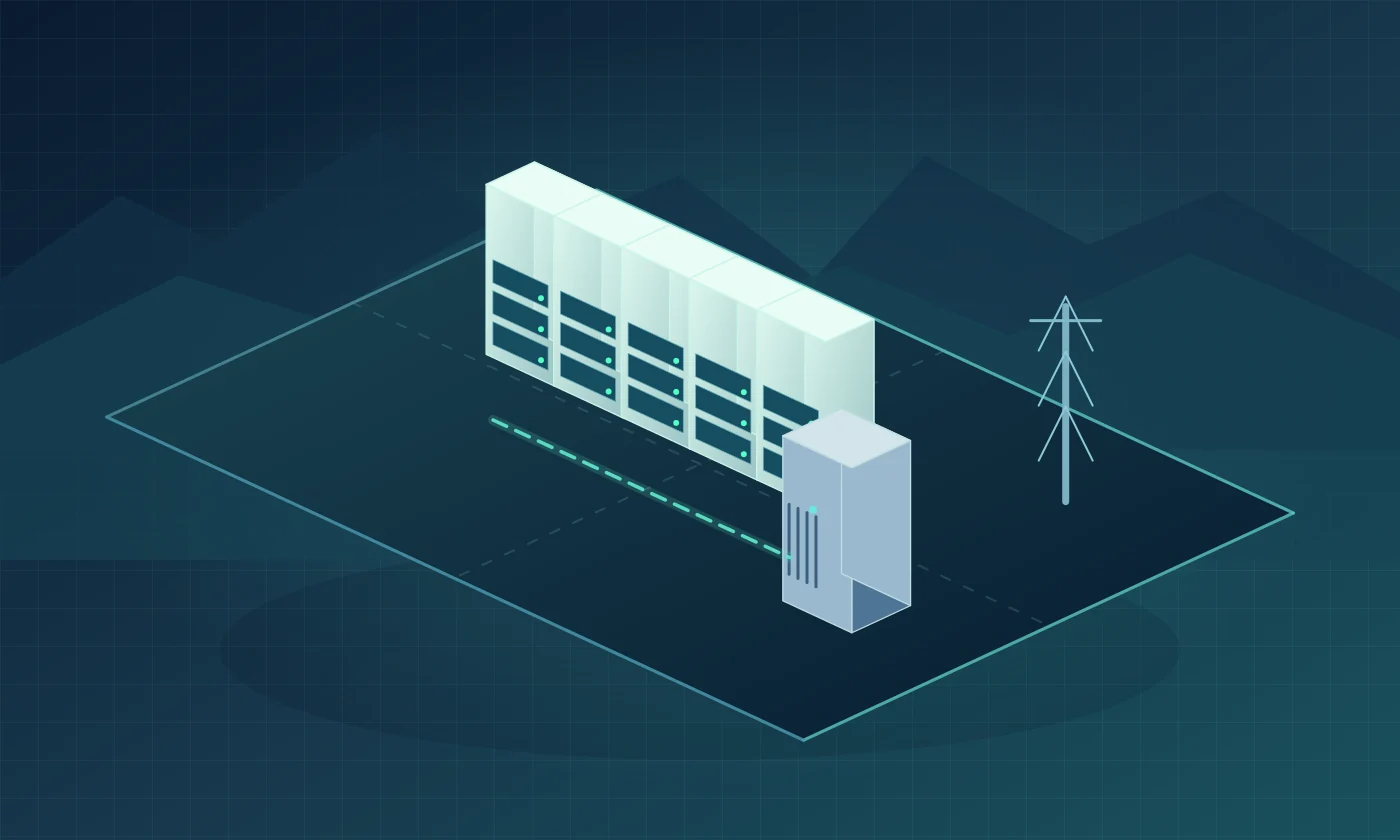
A standalone battery connects to the site AC bus through a PCS. The EMS charges it in lower-cost hours where your tariff and utility rules allow, discharges it in peak windows and keeps a reserve for outages.
Specify a grid-forming PCS if the battery must also carry the site during power cuts. A grid-tied PCS shifts energy but cannot form an island on its own.
Explore storage around your load.
Choose your cost and backup objectives, then confirm existing solar, sources and loads. Battery energy and converter power need separate operating evidence.
Find My Energy SolutionA storage interest does not establish a tariff, installed solar, battery size or operating schedule.
More than a battery in a box.
Each layer is selected model by model and checked against the others before it reaches your site.
LFP modules in indoor racks, outdoor cabinets or containerised blocks, chosen by space, ambient temperature and scale.
Cell, rack and system levels: voltages, temperatures, balancing, protection and alarms reported to the EMS.
Rated in kW, grid-tied or grid-forming, with overload capability checked against your loads.
TOD schedules, demand limits, reserve and DG rules agreed with you and written into the controller.
Cooling sized for high ambient temperatures, with detection, ventilation and suppression appropriate to the installation.
Isolation, fusing, breakers, earthing and surge protection coordinated with your LT panel.
Manufacturers of battery, BMS, PCS and EMS equipment can see our technical requirements in the OEM Partner Centre.
Tell us the kW, the kWh and the job.
If you already have a target rating, share it with the application and your load data. We check it against the site before anything is quoted.
- Target power (kW) and energy (kWh)
- Application: TOD, peak, backup, DG
- Load profile or meter data
- Tariff category and TOD windows
- Installation space and ambient conditions
- Single-line diagram
- Existing solar or DG
- Expansion plans
Battery storage, answered.
Do I need solar to install a battery?
No. A standalone battery can charge from the grid at lower-cost hours and discharge in peak windows or outages, where your tariff and utility rules allow. Adding solar later is planned into the layout.
What is the difference between kW and kWh for a battery?
kW is power: how much the converter can deliver at any moment. kWh is energy: how much is stored. A 100 kW converter with 200 kWh of storage can, for example, deliver 100 kW for about two hours. We size the two separately.
Which battery chemistry do you use?
Our storage designs are based on lithium iron phosphate (LFP) batteries with a multi-level battery management system. Each model is selected only after its documentation and interfaces have been reviewed.
See how this would work at your site.
Answer a few visual questions and see your site today and with Samvora: at midday, in the evening peak and in a power cut. No sign-up; nothing is sent until you choose.
Start with how your site actually uses energy.
Share a few details and your recent bills. A Samvora engineer reviews your load, tariff and reliability needs before anything is proposed.