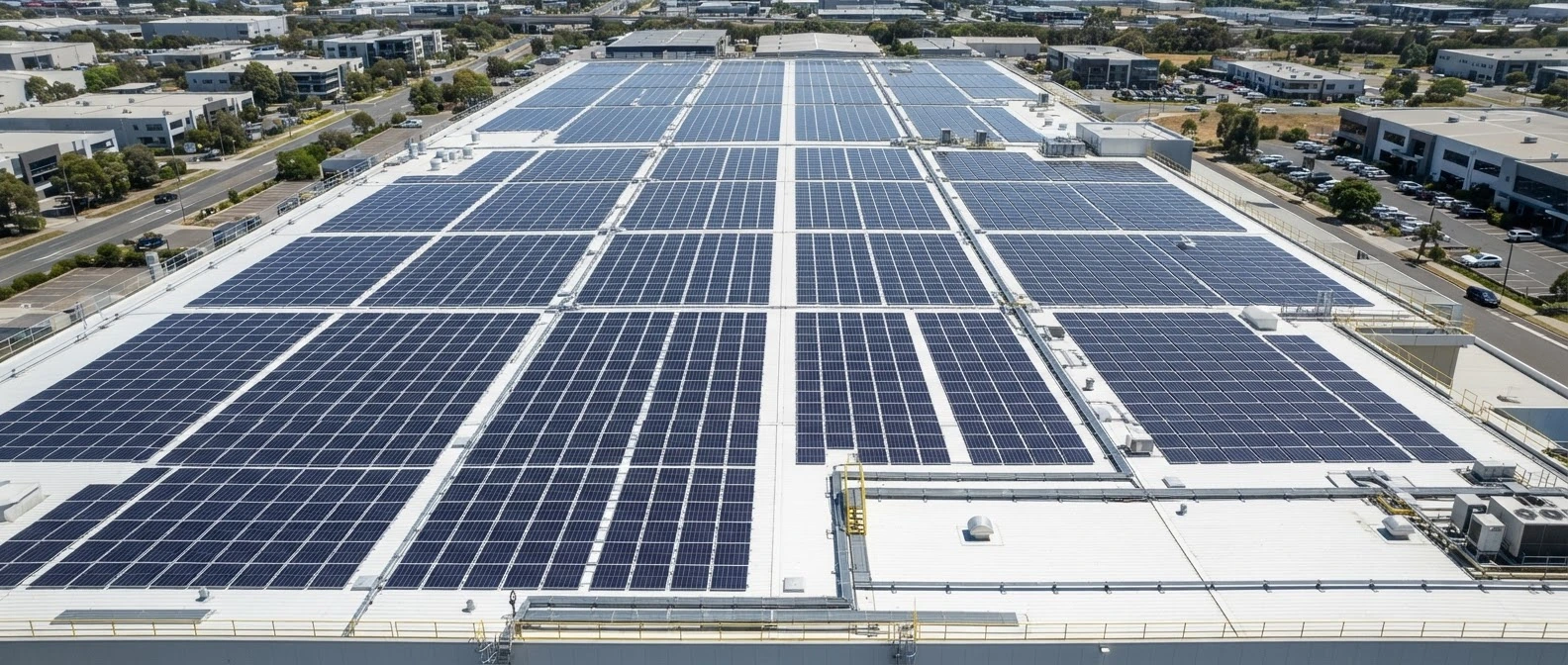
Home/Industries/Hotels / Hospitality
Hotels · resorts · restaurantsWhen energy demand continues after the sun goes down.
Hotels consume most when guests are in: evenings and nights. Samvora coordinates solar, storage and backup so comfort never drops and the evening peak draws on stored daylight.
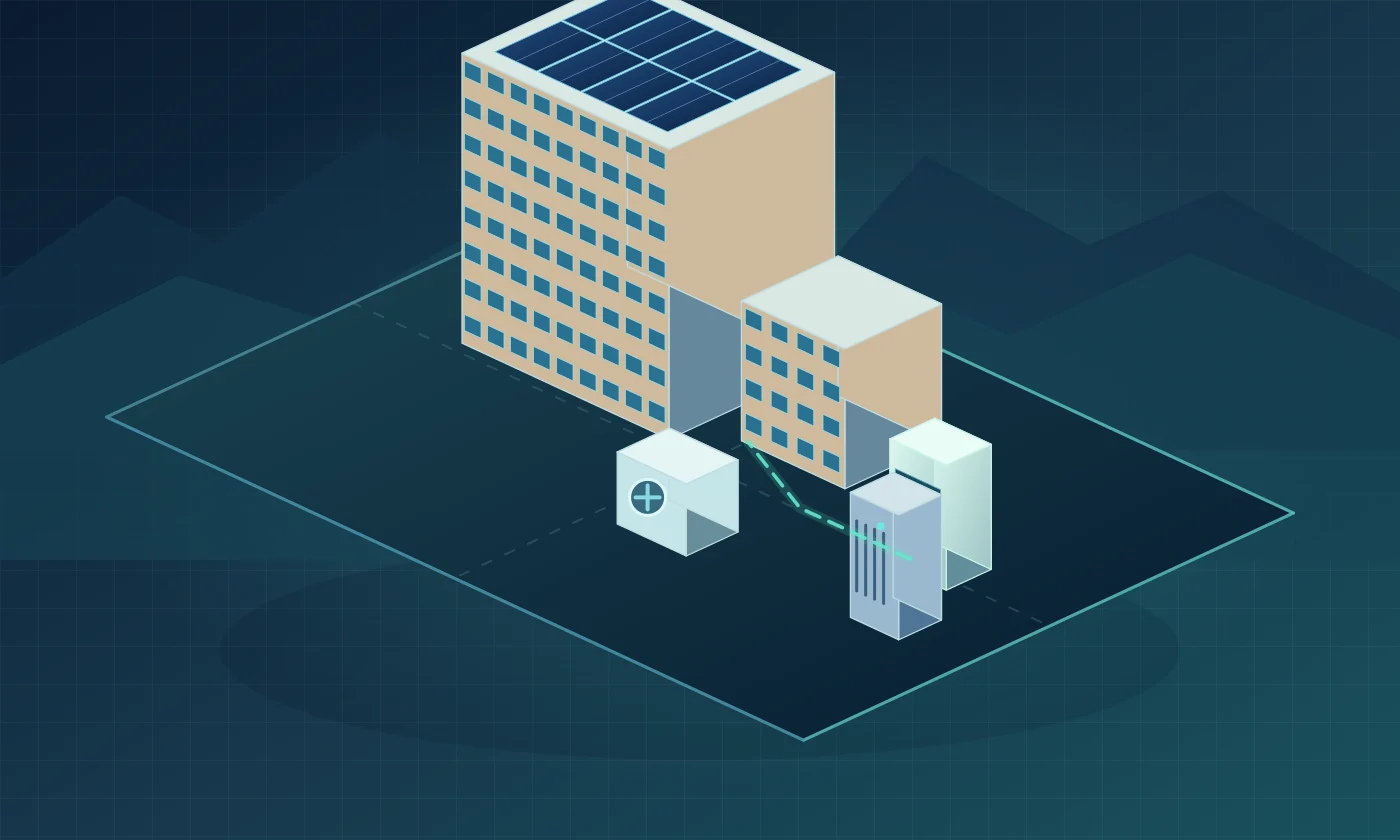
Kitchen, laundry, rooms and lifts, each on its own schedule.
Watch the evening guest peak land in the tariff window and the battery carry it. Switch to an interruption: lifts and water pumps stay on.
Hotel → evening peak and guest-facing continuity
Where it hurts today
- Occupancy peaks in the evening: lighting, kitchens and HVAC land in the peak-tariff window.
- A cut during dinner service stops lifts and leaves guests in the dark until the DG takes over.
- Hot water and laundry loads are flexible but not scheduled.
What changes
- Solar and battery carry the evening peak; flexible loads move to midday.
- Cut → guest-facing bus stays on the PCS; DG only for long outages.
Impact, classed honestly
- Evening peak import · Calculable
- Bill reduction · Estimate until measured
- Lift and pump behaviour on the island · Needs site verification
Interactive comparison loads with JavaScript. Qualitative behaviour only: no ratings, savings or backup times are shown.
One engineering state. Drag the comparison or step through the four stages. The plant view, the single-line diagram and the graphs below follow the same configuration rules as the Energy Explorer. Motion and wording show behaviour only; no ratings, sizes or savings are implied.
01How it operates
- Solar covers daytime kitchen, laundry and common-area load.
- Hot water and laundry are shifted into solar hours.
- The battery carries the evening guest peak through the tariff window.
- Lifts, pumps and essential lighting stay on during interruptions.
02When it makes sense
- Evening-heavy load in peak-tariff windows.
- Frequent interruptions where guests notice the DG.
- Kitchens and refrigeration that must not stop.
- Roofs and parking that can carry solar.
03Engineering constraints
- Noise and appearance constrain DG and battery placement.
- Kitchen exhaust and refrigeration starts need review.
- Guest-room HVAC is usually non-critical, but expectations vary by property.
- Roof space competes with plant rooms and amenities.
An evening-heavy day.
Breakfast and evening peaks, with laundry and hot water that can move into solar hours.
Supply always equals demand: solar first, then the battery in the windows the EMS chooses, then the grid. Charging appears below the axis. Shape from the illustrative model; real balance comes from metered data and the engineering model.
Grid energy drawn in each tariff window and the highest demand of the day, before and after storage. Bars are relative to the no-storage case; actual tariffs and savings depend on the utility category and are calculated only from your bills.
Guest comfort runs on many systems.
Rooms, kitchens, HVAC, laundry and lifts, each with a different priority.
Guest-facing, must stay on.
Largest load, peaks in the evening.
Food safety depends on it.
Can move into solar hours.
Solar placement options.
A 24-hour profile with an evening peak.
Kitchens start and guest showers peak as PV begins.
Solar serves HVAC; surplus can charge storage.
Occupancy peaks as solar falls: the TOD window.
Hotel · evening-heavy: Breakfast and evening occupancy peaks; the evening one lands in the peak tariff.
The sun and the guests keep different hours.
The biggest load lands in the most expensive window.
A blackout empties the lobby and the restaurant.
Noise and fuel cost for guests and the business.
Store the midday sun for the evening.
PV covers daytime HVAC and kitchens. A BESS shifts surplus into the evening peak and keeps lifts, lighting and front-of-house running through outages.
Status labels are honest: Core service is delivered today; Engineering capability is designed and delivered project by project; Study / roadmap is under evaluation.
- 01Solar EPC Core service
Roof and canopy arrays sized to daytime load.
- 02Solar + BESS shifting Engineering capability
Evening peak supplied from stored solar.
- 03Guest-critical backup Engineering capability
Lifts, lighting and front-of-house protected.
- 04Load scheduling Engineering capability
Laundry and water heating moved into solar hours.
Evening comfort from stored daylight.
At 19:00 in the illustration, solar is gone, the battery discharges into the peak window and the grid is held to a minimum.
Illustrative model, not project data. Topology, storage role and limits are set per site after assessment.
Balanced: Stores midday solar, covers peak windows and trims demand above the site limit. Our usual starting point. The battery stays inside its operating window; charge and discharge never exceed the converter limit.
For a hotel we start with…
- 12 months of bills with TOD split
- Occupancy pattern by season
- HVAC and kitchen equipment
- DG usage and outage history
- Roof and parking layout
See how this would work at your hotel.
Answer a few visual questions and see your site today and with Samvora: at midday, in the evening peak and in a power cut. No sign-up; nothing is sent until you choose.
Start with how your site actually uses energy.
Share a few details and your recent bills. A Samvora engineer reviews your load, tariff and reliability needs before anything is proposed.