Home/Industries/Cold storage & food processing
Cold storages · ripening · food processing · dairiesTemperature is the product. Energy design follows it.
Refrigeration runs round the clock and product loss starts when it stops. Samvora designs solar, storage and drive control around temperature limits, defrost cycles and processing shifts.
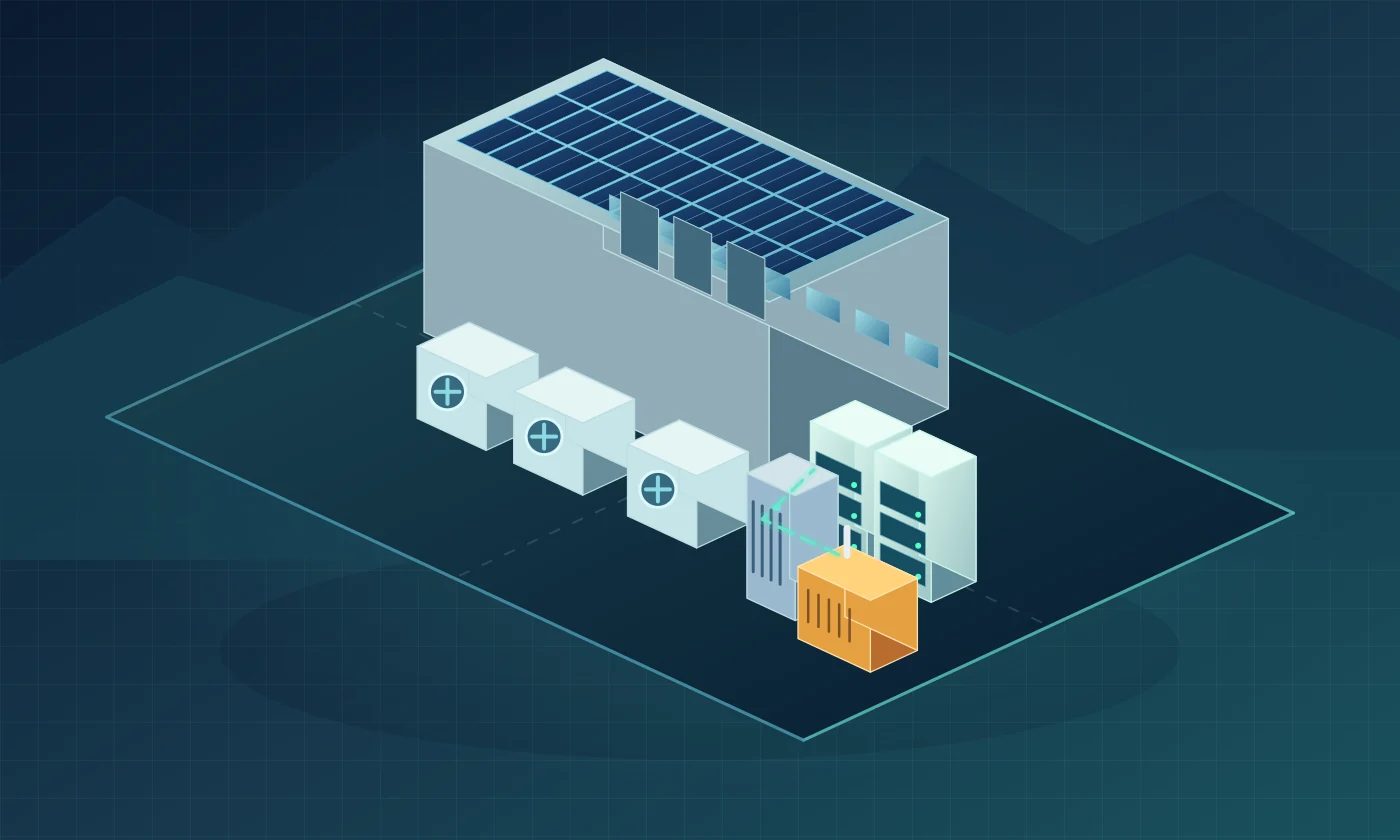
Cold rooms, compressor rack, condensers and the processing hall.
Select a step to see each part of the refrigeration and processing chain. Switch to an interruption: refrigeration stays on the battery while processing waits.
Cold storage → refrigeration that never stops
Where it hurts today
- Refrigeration compressors run day and night; product temperature drifts at every cut.
- Compressor restarts after a cut stack up into a large simultaneous demand.
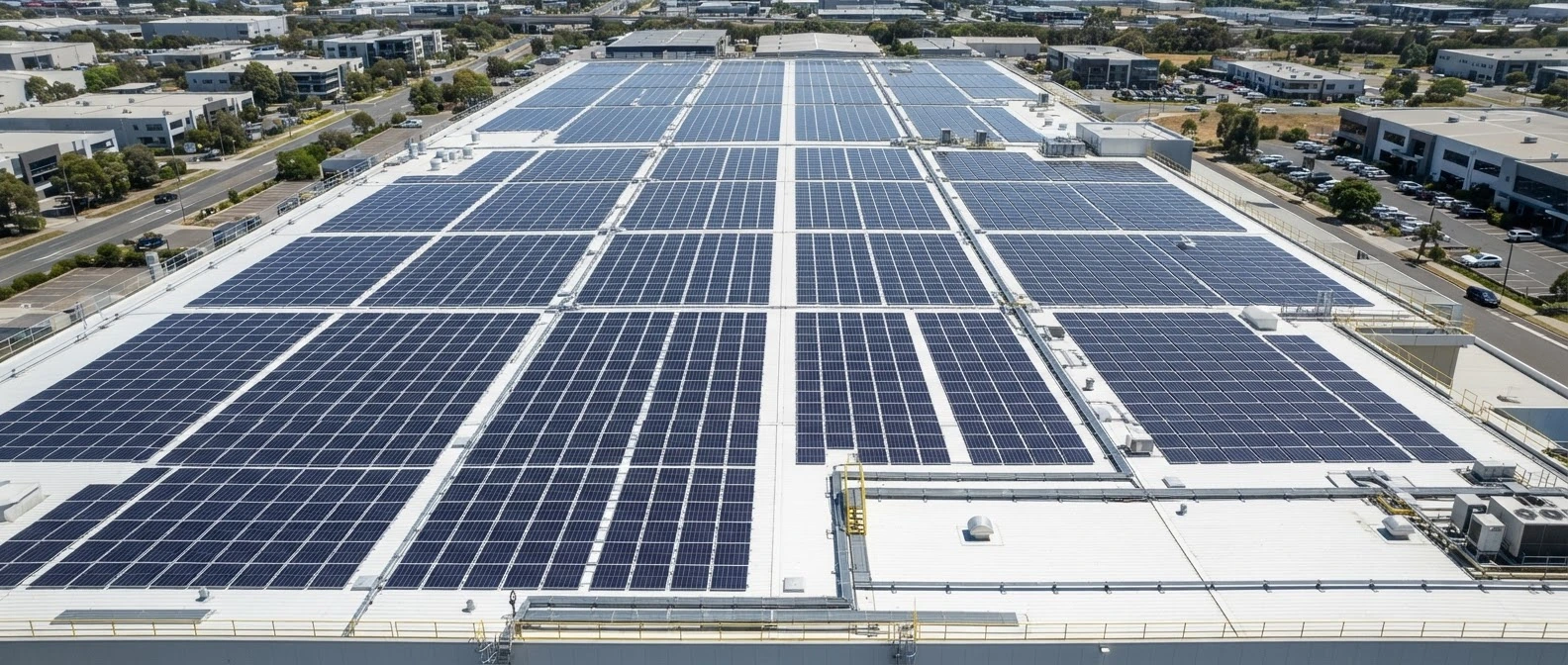
- A large roof sits over the chambers, unused.
What changes
- Cut → compressors stay on the PCS; restarts are staggered by the EMS.
- Solar and battery shift refrigeration energy out of the peak window.
Impact, classed honestly
- Refrigeration ride-through · Calculable
- Product-loss risk · Estimate until measured
- Compressor starts on the island · Needs site verification
Interactive comparison loads with JavaScript. Qualitative behaviour only: no ratings, savings or backup times are shown.
One engineering state. Drag the comparison or step through the four stages. The plant view, the single-line diagram and the graphs below follow the same configuration rules as the Energy Explorer. Motion and wording show behaviour only; no ratings, sizes or savings are implied.
01How it operates
- Cold rooms are pulled down further in solar hours (pre-cooling).
- Refrigeration compressors run on VFDs to avoid repeated starting surges.
- The battery carries refrigeration through peaks and short interruptions.
- Processing lines are scheduled into solar hours where production allows.
02When it makes sense
- Continuous refrigeration with afternoon condenser peaks.
- Product loss risk during interruptions.
- Processing that can shift within the day.
- Large flat roofs over cold rooms.
03Engineering constraints
- Product temperature limits, not energy price, set how far loads can shift.
- Defrost cycles create load spikes that need scheduling.
- Roof insulation and penetrations need care when mounting PV.
- Food-safety logging must continue through every interruption.
Continuous refrigeration with an afternoon peak.
Condenser duty rises with afternoon heat. Pre-cooling in solar hours and storage through the evening keep temperature without peak-tariff energy.
Cold storage: Refrigeration runs round the clock; condenser duty peaks with afternoon heat.
When the grid fails, critical feeders stay on the grid-forming PCS while the EMS pauses non-critical feeders if the reserve needs protecting. When the grid returns, non-critical loads come back and the battery recharges.
A cold store is an insulated battery of its own.
The envelope holds temperature for a while; the design decides how long it must.
Must restart in a controlled sequence.
Fans and controllers keep air moving.
Pull rooms down further while the sun is up.
Shift-based lines that can move in the day.
Over insulated rooms, with care at penetrations.
Never off, highest in the afternoon.
Compressors hold temperature; doors stay shut.
Door openings and processing add heat and load.
Afternoon heat raises compressor and condenser duty.
Cold storage: Refrigeration runs round the clock; condenser duty peaks with afternoon heat.
Product risk, diesel and starts.
Temperature rises once refrigeration stops.
Fuel and maintenance for a load that never sleeps.
Simultaneous restarts set demand and stress the supply.
Refrigeration first, then cost.
Solar for daytime refrigeration and processing, a battery behind a grid-forming PCS for compressors and controls, and VFD-coordinated restarts after any interruption.
Status labels are honest: Core service is delivered today; Engineering capability is designed and delivered project by project; Study / roadmap is under evaluation.
- 01Rooftop solar over cold rooms Core service
Structural and insulation-aware mounting.
- 02Refrigeration backup with BESS Engineering capability
Compressors and controls on a protected bus.
- 03VFD and restart sequencing Engineering capability
Staggered starts after an interruption.
- 04Pre-cooling schedules via EMS Engineering capability
Store cold in solar hours, within product limits.
Store cold while the sun is up.
The EMS pulls rooms down in solar hours and lets the battery carry refrigeration through the evening peak and short interruptions.
Illustrative behaviour, not project data. Temperature limits and storage roles are set per site after assessment.
Balanced: Stores midday solar, covers peak windows and trims demand above the site limit. Our usual starting point. The battery stays inside its operating window; charge and discharge never exceed the converter limit.
For a cold store we start with…
- 12 months of bills + TOD split
- Compressor list, ratings and starting method
- Temperature set points and product limits
- Defrost schedule
- Outage history and DG log
- Roof drawings
See how this would work at your cold storage.
Answer a few visual questions and see your site today and with Samvora: at midday, in the evening peak and in a power cut. No sign-up; nothing is sent until you choose.
Start with how your site actually uses energy.
Share a few details and your recent bills. A Samvora engineer reviews your load, tariff and reliability needs before anything is proposed.