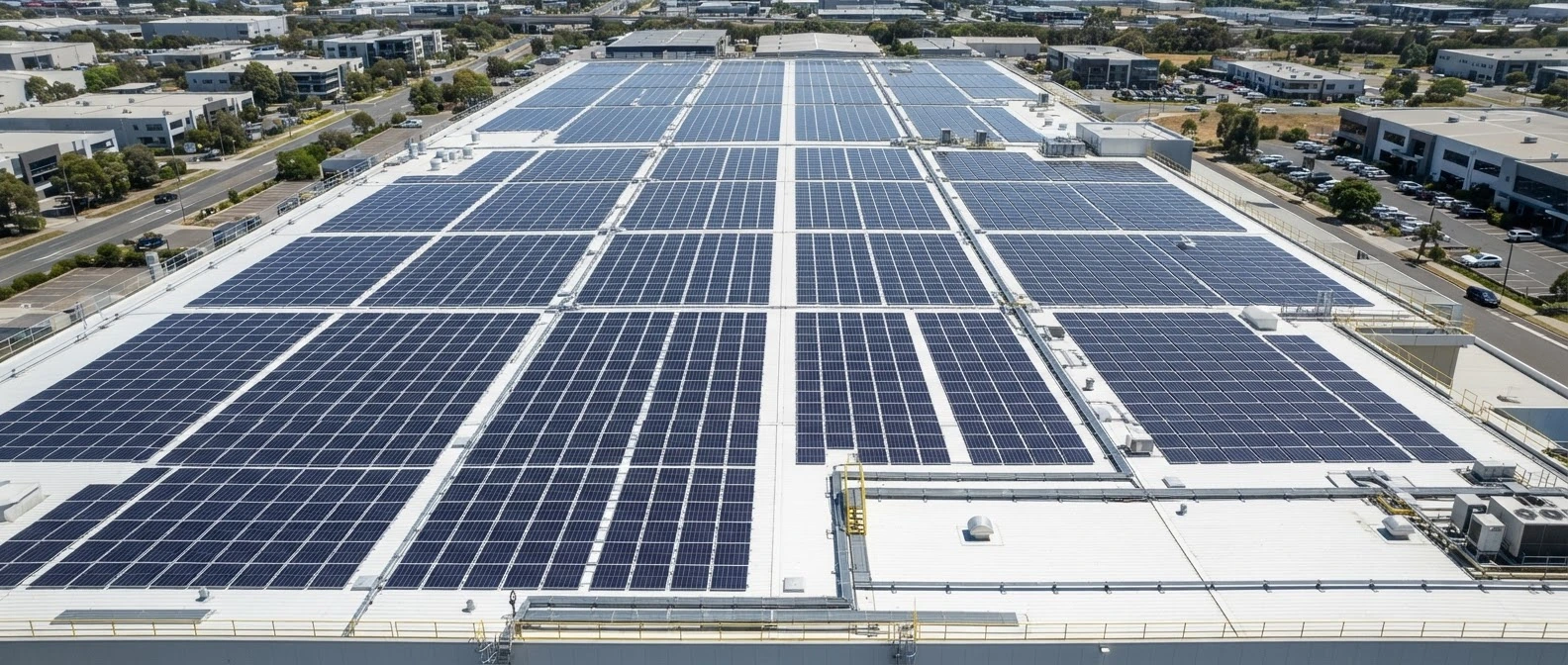
Home/Solutions/Keep running through power cuts
Power cuts & backupKeep the loads that matter running when the grid fails.
When the grid trips, ordinary on-grid solar switches off too, and the generator takes time to start. A battery with a grid-forming converter keeps your critical loads supplied, keeps solar generating and pauses everything else until the grid returns.
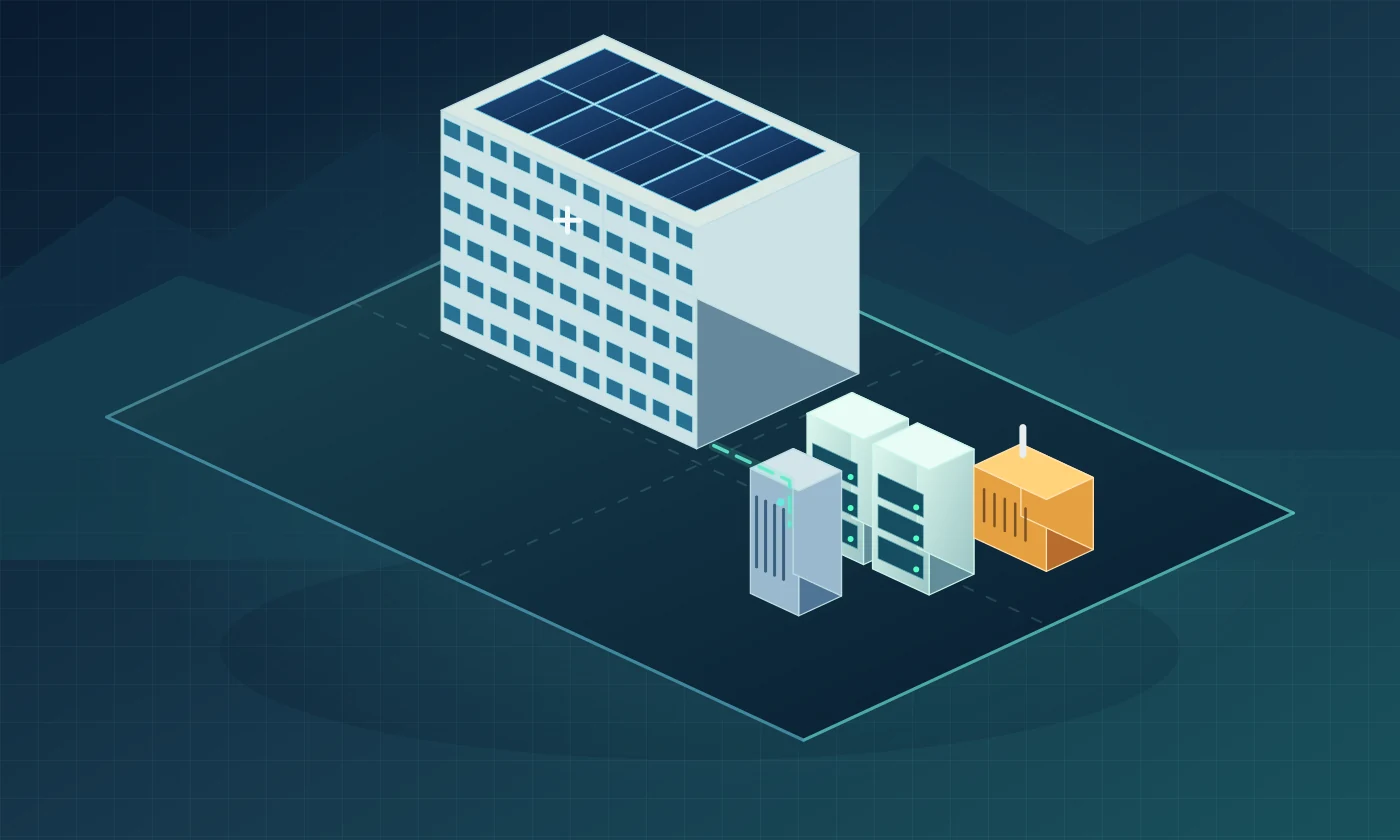
When the grid goes down, the system decides.
Step through an interruption: the incomer opens, the grid-forming PCS holds the critical bus, non-critical feeders pause, and the DG starts only if the outage outlasts the reserve.
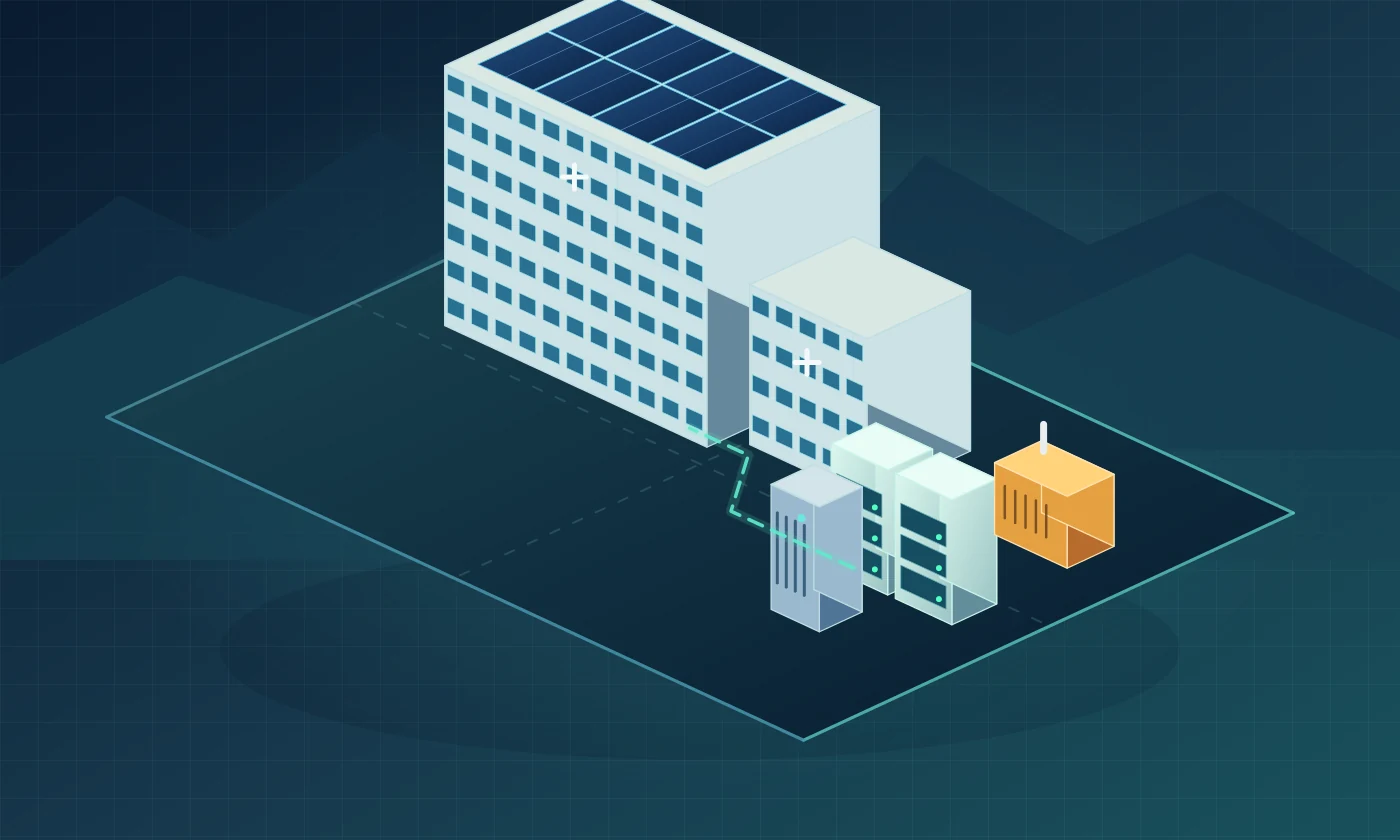
Hospital → critical-load continuity with grid-forming storage
Where it hurts today
- ICU, OT, oxygen plant and lifts cannot wait for a generator to start and change over.
- Medical equipment has its own UPS units, but the building around it goes dark at every cut.
- Daytime HVAC load is high and continuous; the bill has no daytime offset.
What changes
- Grid fails → the essential bus stays supplied by the grid-forming PCS.
- Non-essential feeders are paused to protect the reserve.
- The DG starts only for a long outage and recharges the battery while it runs.
Impact, classed honestly
- Essential-bus ride-through time · Calculable
- Generator run time · Calculable
- Daytime bill offset · Estimate until measured
- Transfer behaviour for medical areas · Needs site verification
Interactive comparison loads with JavaScript. Qualitative behaviour only: no ratings, savings or backup times are shown.
One engineering state. Drag the comparison or step through the four stages. The plant view, the single-line diagram and the graphs below follow the same configuration rules as the Energy Explorer. Motion and wording show behaviour only; no ratings, sizes or savings are implied.
01How it operates
- When the grid fails, protection opens the incomer and isolates the site.
- The grid-forming PCS holds voltage and frequency; critical loads keep running.
- The EMS pauses non-critical feeders to stretch the reserve.
- If the outage outlasts the reserve, the DG starts; when the grid returns the PCS resynchronises.
02When it makes sense
- Critical loads that must not stop: IT, medical, controls, lifts, refrigeration.
- Sites where today’s UPS and DG changeover causes interruptions.
- Frequent short interruptions plus occasional long ones.
- Critical loads that can be separated onto their own feeders.
03Engineering constraints
- Backup time is set by battery kWh and the critical load actually connected.
- Critical and non-critical circuits must be separable in the LT panel.
- Transfer behaviour (seamless or brief) depends on the topology chosen.
- Medical and life-safety supplies follow their own standards and approvals.
Critical supply and equipment state through the outage.
Critical loads stay supplied from the first moment; the EMS decides what waits. The timeline shows each device’s state through the same interruption.
When the grid fails, critical feeders stay on the grid-forming PCS while the EMS pauses non-critical feeders if the reserve needs protecting. When the grid returns, non-critical loads come back and the battery recharges.
Each row is one piece of equipment; colour shows what it is doing. The EMS row shows the decision behind each change.
The switchgear that makes islanding safe.
Working mechanism, where it connects in the single-line diagram, its operating profile, and what limits and protects it. All equipment
LT panels, switchgear and protection
Breakers, relays and busbars that connect every source and feeder and isolate only what is faulted.
Grid-connected vs permitted islanded operation. Islanding is not automatic. It needs an island breaker, interlocks, protection settings for the limited fault current of converters, and the utility’s permission.
- Fault levels differ between grid and island modes
- Panel space and busbar ratings for new feeders
- Existing relays may lack the settings needed
When an outage costs more than electricity.
Lines, compressors and controls restart slowly after every trip.
Theatres, ICU, imaging and lighting need a planned, tested supply path.
Lifts, lighting, POS and cooling going off damages the experience.
Cold rooms and refrigeration must ride through interruptions.
Forecourt sales stop when the supply does.
On-grid inverters must stop in an outage unless something forms the grid. See existing solar upgrades.
The system decides before the outage, not after.
- 01Reserve is already protected
The EMS keeps part of the battery for outages, even while it shifts energy for tariff savings.
- 02The grid fails, the incomer opens
The site is separated from the grid so nothing back-feeds the utility network.
- 03The PCS forms the island
Battery and converter set voltage and frequency; critical loads stay on and solar keeps generating.
- 04Non-critical loads are paused
Feeders you agreed in advance are shed, then restored in order when the grid returns.
Start with what must stay powered.
Confirm your site, critical loads and required duration. The same scenario drives plant, electrical connection and before/after supply comparison.
Explore My Backup NeedsThis is a backup interest, not a confirmed hospital load or a claim of uninterrupted medical supply.
UPS, generator or grid-forming storage?
They solve different problems and are often combined. This is how we compare them for a site.
| Consideration | UPS | Diesel generator | BESS + grid-forming PCS |
|---|---|---|---|
| What it usually covers | Selected IT or control loads | Most of the site, after starting | Critical loads or a large part of the site |
| Response | Immediate for connected loads | Start-up and changeover delay | Transfer behaviour specified per load |
| Solar during the outage | No effect | Possible only with suitable controls | Continues, curtailed by the EMS as needed |
| Duration | Minutes, typically | As long as fuel lasts | Set by battery kWh, extendable with solar and DG |
| Running cost & emissions | Low | Fuel, service, noise, fumes | Grid or solar charging; no fuel on site |
| Daily value | Protection only | Protection only | Also TOD shifting and peak limiting when the grid is up |
Grid-forming capability, transfer behaviour and overload limits are model-specific and are verified from documentation and testing before equipment is selected.
Which loads, for how long.
Backup is sized from the loads you choose to protect and the outages you actually have, not from the whole site.
- Critical circuits and equipment
- Their running load, if known
- Backup duration you need
- Outage history
- Existing UPS, inverter or DG
- Single-line diagram
- Space and ventilation for storage
- 12 months of electricity bills
Backup power, answered.
Is this the same as a UPS?
No. A UPS protects a few loads for minutes. A battery with a grid-forming PCS can carry a much larger part of the site for longer, keep solar generating and decide which loads to keep or pause. Many sites keep their UPS for IT loads as well.
Will there be a break in supply when the grid fails?
That depends on the architecture. Some designs transfer without a noticeable interruption to critical loads; others have a short changeover. We specify the transfer behaviour each load needs and test it at commissioning.
How long will the backup last?
It depends on which loads are kept running and the battery energy (kWh) installed. We size it from your critical load list and the outage durations you actually experience.
See how this would work at your site.
Answer a few visual questions and see your site today and with Samvora: at midday, in the evening peak and in a power cut. No sign-up; nothing is sent until you choose.
Start with how your site actually uses energy.
Share a few details and your recent bills. A Samvora engineer reviews your load, tariff and reliability needs before anything is proposed.